
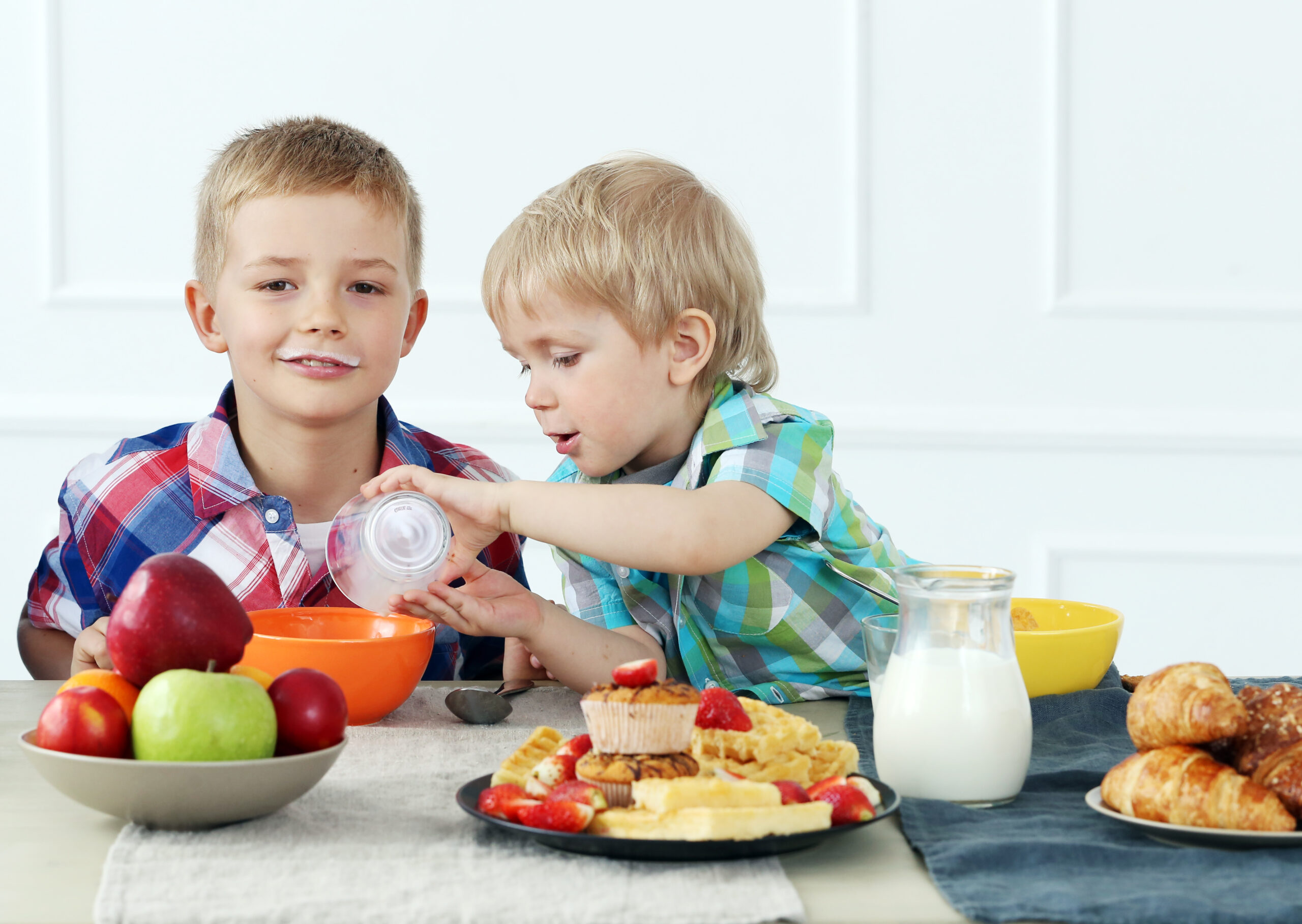
Ensuring proper nutrition for your child each day may become difficult when dealing with contradicting advice and opinions available in the internet space. Nevertheless, if you have a solid guide at hand, you can easily take care of all the required needs of your baby and nourish him properly, thus ensuring he receives the essential nutrients. By applying to our easy tips, you can significantly improve your child’s health condition.
Importance of Proper Diet in Childhood
Proper nutrition is critical for your child since it affects his growth and general well-being. A varied diet provides the person with the required building blocks in form of proteins, carbohydrates, fats, vitamins, and other nutrients. The mentioned substances are responsible for keeping your child’s bones, muscles, skin, brain, and other body parts in good condition. Moreover, adequate nutrition makes your child less susceptible to diseases, enables him to keep his weight normal, and develop good thinking skills.
In addition, the mentioned diet may help your child grow and develop successfully. In order to grow and maintain their healthy condition, your child requires certain vitamins and minerals to support bone, muscle, and organ formation. Thus, for instance, calcium is critical for good bone and teeth health, whereas vitamin D is required to regulate the levels of calcium. Lack of the mentioned elements may result in poor growth, weak immune system, and numerous other problems.
How to Build a Balanced Diet for Your Child
As for creating a balanced diet, you should adopt a fairly simple approach. Thus, pay particular attention to unprocessed foods, such as fresh fruit, vegetables, whole grain, proteins, and fats. As a rule, the mentioned products contain all the essential ingredients for healthy growth. To ensure your kid gets a broad spectrum of nutrients, try to add as many colorful foods as possible to his meals.
The first step to a balanced diet consists of adding various types of fresh produce to your child’s dishes. Thus, leafy green vegetables, including broccoli, spinach, and kale, are known to contain vitamins A and C, folic acid, which are critical for healthy growth. At the same time, berries and various fruits provide your baby with antioxidants and vitamin C, thus supporting his immune system.
Healthy Snacks for Your Kids
As a rule, snacking plays an important role in a child’s daily routine since it supplies him with energy for his activities. However, all the snacks are not equal in terms of their health benefits; thus, you should try to feed your baby with products, which contain a lot of essential nutrients and lack added sugar, salt, and fat.
Some great examples of healthy snacks include raw and fresh fruit, veggies served with hummus or dips, crackers with cheese or peanut butter, as well as healthy homemade trail mix made of nuts, seeds, and dried fruits. It is highly recommended to avoid products high in added sugar content, such as cookies, cakes, and other desserts.
Water Consumption of Your Child
The last thing that deserves close attention is the consumption of water, which is also a significant aspect of proper nutrition in childhood. The human body contains more than half of water, which is extremely important for various processes, such as regulation of temperature, transportation of nutrients, and removal of waste.
Make sure that your child drinks a sufficient amount of water each day, consuming at least eight glasses of the mentioned beverage daily. Moreover, it is strongly recommended to limit the intake of sweet beverages, such as soda and juice, which may cause dehydration and other serious consequences. Instead, you can offer to consume plain water, unsweetened tea, or even low-fat milk.
Meal Planning for Your Child
Meal planning plays a critical role in making sure your kid has balanced nutrition. Thus, start your meal planning process with arranging food based on whole, fresh, and unprocessed products, such as fruit, vegetables, whole grain, proteins, and fats. Try to ensure different colors in the plate, thus providing your child with the broadest array of vitamins and minerals.
Some great examples of healthy meals for kids include grilled meat or fish with vegetables, whole grain pasta with tomato sauce and vegetables, as well as stir-fry made from protein source, mixed vegetables, and brown rice. All processed and packed meals should be avoided since they usually contain high amounts of sugar, salt, and fat.
Conclusion
Thus, the establishment of a balanced diet for your child is not complicated at all; however, in order to achieve success, you need to pay attention to some aspects of this matter. In particular, you should focus on whole, unprocessed foods, such as fruits, vegetables, whole grains, proteins, and fats.