
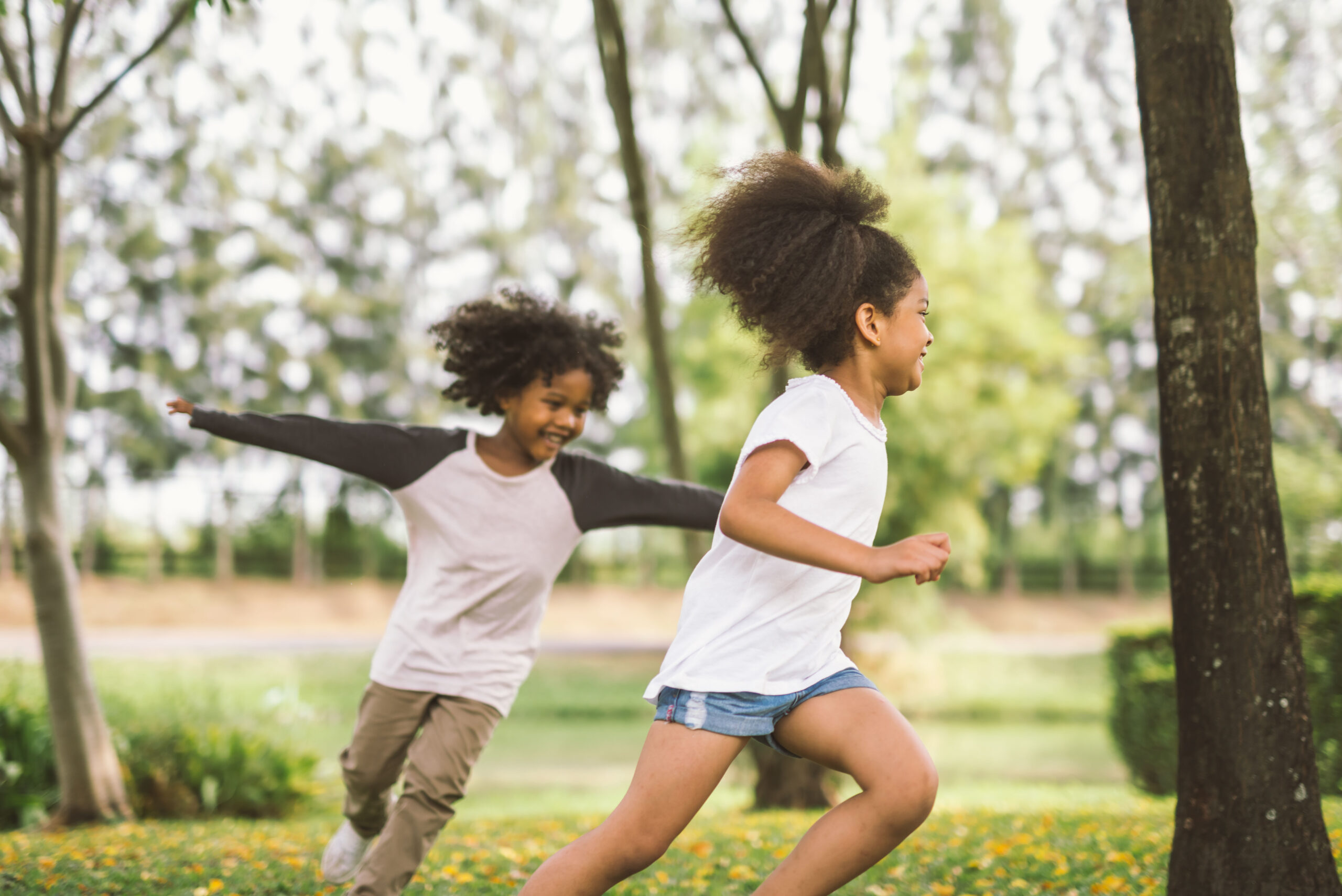
The development of a fit and energetic child is essential for its wholesome growth. As a parent, you need to encourage your children to acquire good healthy habits throughout their entire life. In today’s world when children spend too much time sitting in front of computer screens, it is important to be creative and develop an interesting fitness routine. From encouraging your kids to be more active and healthy to making wise food decisions, this article will reveal simple tips to raise fit kids.
Creating a Fun Fitness Routine
It is necessary for kids to have a fun fitness routine as it will help to create a positive attitude towards physical exercises, which can last all their life. Indeed, physical activity is of great significance for children as it helps to improve not only their health but also academic achievements and self-confidence. If you want to make exercising more enjoyable for your kid, use these tips:
Start with short workouts. Start with a 10-15 minute workout routine and gradually extend the time of exercising depending on your child’s abilities.
Including children’s hobbies. Choose activities, which are of particular interest to your kid – it can be anything from swimming to dancing. Make exercises a family event. Get your child to plan and participate in family sports events like running or cycling.
For instance, you can arrange your backyard as an obstacle track for your kid and encourage him or her to overcome difficulties using such tools as hula hoops, cones or even pool noodles. Moreover, dance games like “Freeze Dance” and “Simon Says” will help your kid move more intensively.
Encouraging Healthy Eating Habits
It is important for kids to follow healthy eating habits as it ensures that they receive enough energy and nutrients, which are necessary for maintaining active life. Foods like vegetables, fruit, whole grain products and lean protein should be included in your child’s diet. Some of the tips for encouraging healthy eating include:
Being a role model. Your kids follow your habits, and therefore, you can set an example of healthy diet. Include children in planning. Ask your child to participate in planning family menus and purchasing food products.
Provide a variety of healthy snacks. Provide your kid with different healthy snacks, including fruit, cheese sticks, crackers and vegetables.
For example, you can create a colorful “Rainbow Plate,” where different kinds of fruit and vegetable are arranged to stimulate your child to taste them. Moreover, you can let your kid help you prepare nutritious meals like homemade salad or stir fry.
Increasing Physical Activity at School
Raising the level of physical activity at schools is important for developing good habits in children as well as preventing childhood obesity. Indeed, physical education programs are essential as they ensure physical activity for children. How can you encourage your kid to be physically active at school? Here are some useful tips:
Join school teams. Motivate your child to attend sport clubs to learn how to exercise properly. Support physical education at school. Fight for implementation of these programs and become an assistant teacher at physical education lessons.
Stimulate active recess. Encourage your child to be active during recess. He or she can choose among running, tag, ball games and other activities.
As an example, you can become a member of “Physical Education Committee,” which will struggle for better conditions for physical education in your school. Additionally, it is worth offering any means of assistance, like sports equipment and special classes.
Managing Screen Time
Controlling screen time is a priority task for parents as children, who spend most of the day in front of screens, risk becoming sedentary and unhealthy. Proper limiting of screen time helps kids to create healthy habits and reduce the chances of childhood obesity. Some of the methods of managing screen time of kids include:
Setting limits. Set certain rules about screen usage. For example, limit TV watching and forbid children to use electronic gadgets before sleeping. Encourage active playing. Spend quality time playing actively with your kids instead of letting them watch movies. Offer alternatives. Encourage your kids to engage in some alternative activities, like reading books, doing crosswords or creating artwork.
In order to discourage the use of screens in the house, you can create a “Screen Free Zone.” For instance, you can forbid kids from using phones at the table. Moreover, you can introduce a “Screen Free Day,” when the entire family can go out to have fun and move around.
Getting Your Child Involved in Outdoor Activities
Outdoor activities are important not only for providing physical exercise but also helping kids to communicate with nature. It can include a lot of things, including biking, hiking, swimming or simply exploring the natural environment of your region. How can you involve kids in outdoor activities? Here are some helpful suggestions:
Showing a good example. Try to take an active part in outdoor activity as an example. Include your kid in planning. Plan outdoor adventures together to let your kid experience excitement and joy of discovery.
Stimulate your kids to learn new activities. It may be something like swimming or kayaking, which is not typical for your area. For instance, you can organize a “Nature Scavenger Hunt” to stimulate your kid to explore nature. You can also plan and prepare for different outdoor adventures, including camping and hiking.
Making Healthy Habits a Family Affair
Involving family in creating healthy habits is essential as it motivates children to follow good habits. Indeed, family fitness activities, like joint runs or bike riding, help kids to realize the importance of being healthy. How can you develop a family-based strategy for creating healthy habits in kids? Consider these tips:
Include your child in planning healthy activities. Let your kid participate in planning and preparation of family meals and healthy snacks.
Participate in fitness activities. Go for a run or a ride together to become a role model for healthy activities for your children. Be a role model. Show your kids how to lead a healthy life.
As an example, you can introduce “Family Fitness Challenge” to help your kid understand how important fitness is. You can also encourage your child to participate in cooking process and help him/her to make salads and stirs-fry’s.
Conclusion
Keeping kids fit and energetic is all about combining regular physical activity, healthy eating habits, and active family involvement. By making exercise fun, encouraging outdoor play, and limiting screen time, parents can help children develop lifelong healthy habits. Small daily choices can make a big difference in supporting a child’s physical health, confidence, and overall well-being.