
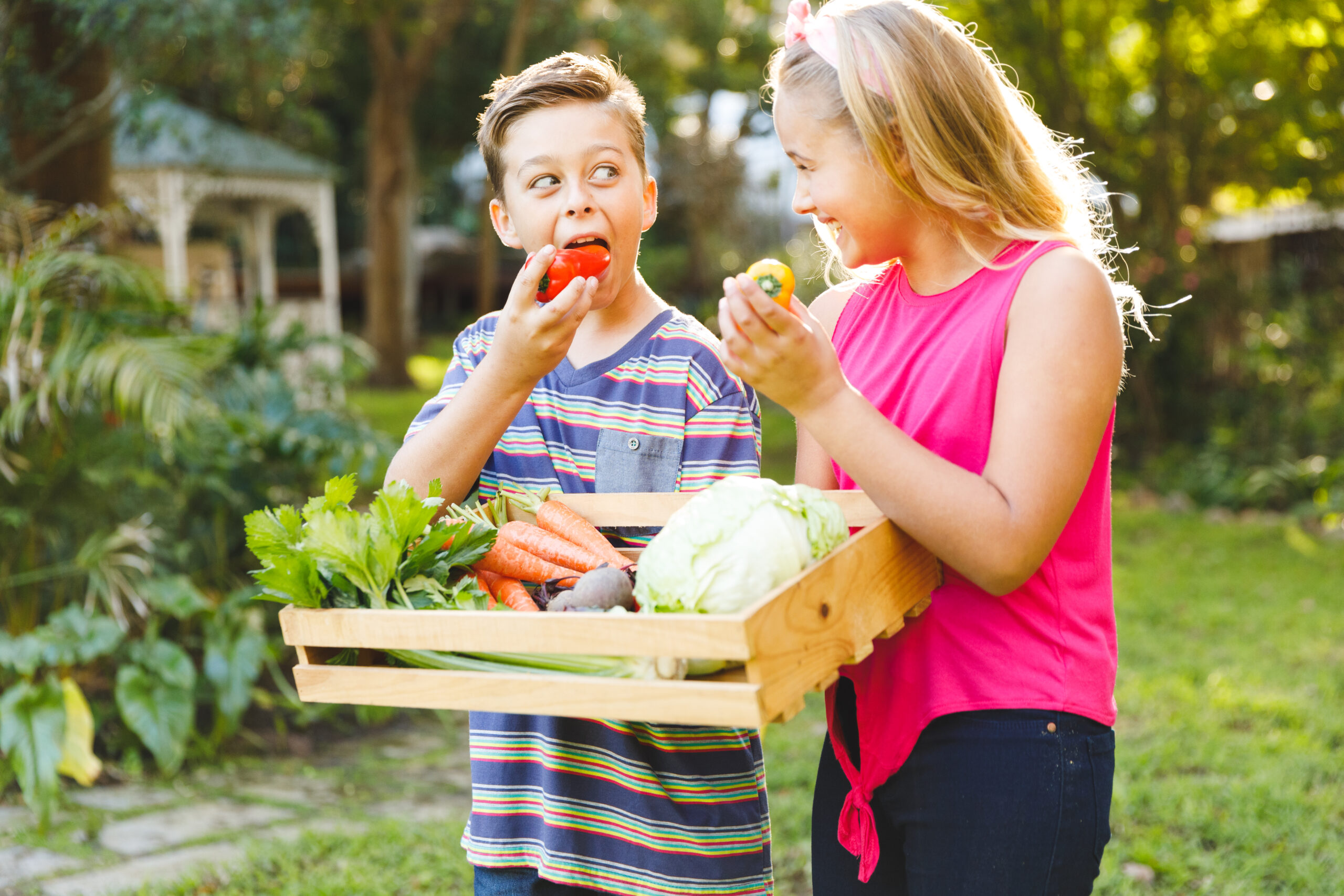
As a parent, one wants to ensure their children have all the best in life including proper nourishment that will support their development and growth. Since there are so many food options today, it can be hard to make a decision. Fortunately, by making proper nutrition choices, parents can ensure their children grow with a healthy attitude towards food. Starting from the first meal in the morning and ending with the last one at night, each meal presents an opportunity for teaching proper nutrition principles.
The First Meal of the Day – A Good Start
Breakfast is considered the most important meal of the day. It gives necessary energy and strength for morning activities both at school and outside. Parents can easily influence what their kids eat. They should encourage the consumption of nutritious breakfasts rich in fiber and B vitamins. Some options include whole-grain cereals or porridges, fruits, nuts, seeds, omelets, and boiled or scrambled eggs. To provide necessary calcium and vitamin D, serve glasses of low-fat milk.
Parents should also remember about adding healthy fats such as avocados, nuts or even coconut to their kids’ meals in order to provide them with energy for brain function. Smoothies made with yogurt, fruits, and spinach can also be a good breakfast idea. Making sure that children consume a proper breakfast will guarantee success during the entire day.
Lunch Ideas for Healthy Kids
Preparing lunch boxes can prove to be tricky. Parents should give their kids whole grain bread or wraps for sandwiches. For example, children can have chicken sandwiches, wraps with tuna and cheese, or turkey sandwiches. Parents can also make salads with mixed greens, lentils or other legumes, and proteins. Adding fruit slices or cut vegetables with hummus makes the lunch healthier.
Parents should actively involve their kids in lunchtime preparations. It is possible to encourage children to participate in making meals or packing lunchboxes to promote healthy nutrition habits. Portion control is also important. Thus, kids should learn how to portion out food in the appropriate sizes and use measuring cups. Parents can teach their kids proper food consumption and limit food waste by serving appropriate portions.
Healthy Snacks for Your Child
A snack is an excellent moment to educate children on the principles of healthy nutrition and healthy portions. Parents should consider purchasing fresh fruits, sliced vegetables, hummus dip, and whole grain crackers or rice cakes with lean meat or cheese. Sugary snacks such as chocolate bars, cookies, or chips should be avoided as they contain many calories and added sugars. Parents can try making a simple but nutritious homemade trail mix from nuts, seeds, and dried fruits.
Children can easily get used to snacking throughout the day. However, it is necessary to impose some rules to develop a healthy relationship with food. Thus, parents should limit children’s calorie intake to 100-150 kcal per snack and avoid grazing. Children should understand that snacks can only be eaten once in a while. It is necessary to establish appropriate food routines to limit unnecessary snacking.
Healthy Mealtimes – Dinner Time
Meal times present perfect moments for spending with family members and establishing healthy mealtimes. Cooking dinner together with your kid and helping him/her choose foods will not only teach the little one basic skills but will also contribute to healthy nutrition. In particular, children should try different meals such as chicken and fish dishes with roast vegetables and quinoa.
It is also necessary to establish routines in regard to mealtimes. Parents should feed their kids at the same time every day and organize a quiet dinner time atmosphere.
Developing Healthy Eating Habits
To ensure your kids adopt healthy eating habits, it is necessary to introduce nutritious elements gradually. At first, parents should focus on reducing sugary beverages and increasing intake of fresh fruits and vegetables. The next step is to introduce healthy meal ideas to your children in a friendly manner. Making a meal plan for the week will help to organize everything properly.
As children emulate their parents’ behaviors, it will be helpful to show good habits and examples to them. Parents should also practice portion control and demonstrate healthy food routines. Parents’ positive actions and attitudes will contribute to healthy food behaviors in children.
Conclusion
Following these guidelines is helpful in incorporating healthy nutrition choices to children. These suggestions will not only teach kids the principles of nutrition but also contribute to their overall well-being.