
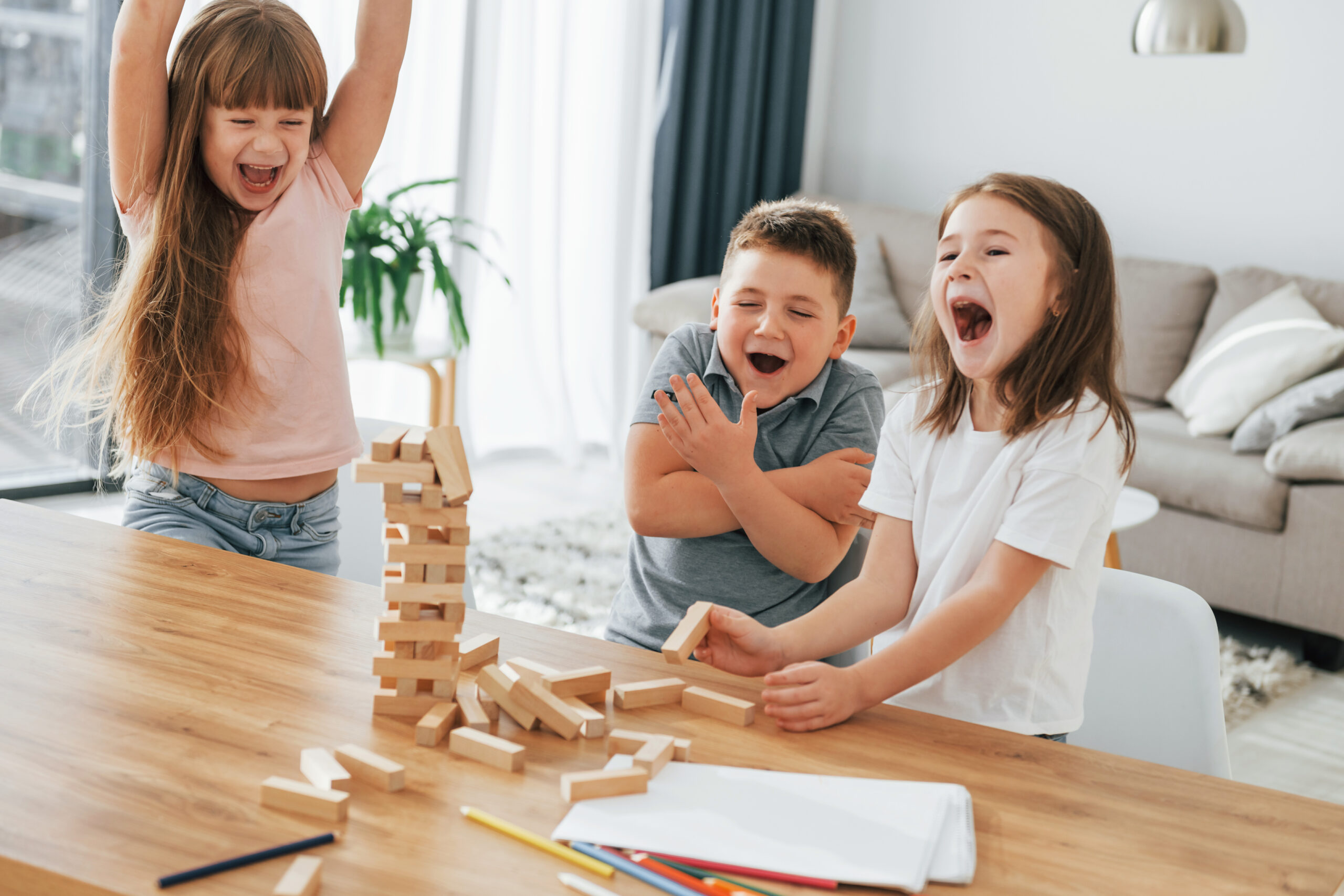
Children are curious beings, and they are always seeking for something new. It is, therefore, our responsibility as parents or caregivers to offer them a learning environment that stimulates their curiosity. We should understand that learning is not only a textbook activity or an act performed within the walls of classroom; it can be an adventurous process that is fun to perform.
Making a Stimulating Environment for Learning
A great place for developing a love for learning is our home. We can create a stimulating and interactive environment that facilitates the learning process. For this purpose, we need to fill the house with educational toys, puzzles, or games. An interesting game that can be played will stimulate a child’s curiosity and make him want to learn.
Including Games and Play into Our Life
There should be enough games and play in our lives. It is necessary for children’s overall development and makes the process fun. Games can be used to introduce a child to some new ideas, to develop his critical and analytical thinking abilities. It is possible to use educational board games, cards games, or online learning games dedicated to a particular subject such as math, science, or literature.
Real Life Learning Activities
It is important to take children to places where they can learn something new in practice. It can include museum or zoo visits or spending time in national parks. Such activities expose children to numerous stimuli that are capable of provoking interest and enthusiasm in them. Besides, they can help our children develop skills like critical thinking, problem solving, and creativity by participating in hands-on learning activities.
Building a Love for Reading
One cannot stress too much the importance of reading in developing cognitive skills and knowledge. By fostering our children’s love for reading, we can give them an opportunity to get to know numerous new worlds. We should create a special reading corner at home that should have lots of pillows and comfy chairs along with an extensive selection of books.
Using Technology for the Learning Process
Modern technology gives us many chances to enrich the educational process and make it more fun. With the development of the Internet, there appeared a lot of interactive resources that allow getting to know new concepts and theories through video clips, podcasts, blogs, etc. By integrating technologies into our educational routine, we will make it more enjoyable for children.
Stimulating Children’s Interest and Creativity
Interest and curiosity are important components of education, and they can be stimulated through different activities. Giving children new experiences will definitely help them become interested in new concepts. In this case, we can create a discovery box or a curiosity jar with some exciting items in it.
Making Learning a Family Affair
Education is a continuous process that involves people of all ages and social backgrounds. It will be helpful for children if we make learning a family affair since it will help them develop skills like communication, cooperation, and teamwork. In order to do this, we need to spend more time doing activities that will interest children. It includes cooking or playing board/card games, etc.
Self-Assessment and Reflections
Both self-assessment and reflection are integral parts of the educational process since they allow evaluating what the children have learned and foster the growth mentality. It is possible to begin teaching kids to think critically by posing some open-ended questions.
Conclusion
Making learning fun helps children stay curious, motivated, and engaged in discovering new ideas. By combining games, real-life experiences, reading, technology, and family participation, parents can create enjoyable learning opportunities every day. A positive and interactive approach to education encourages lifelong learning, creativity, and confidence in growing kids.