
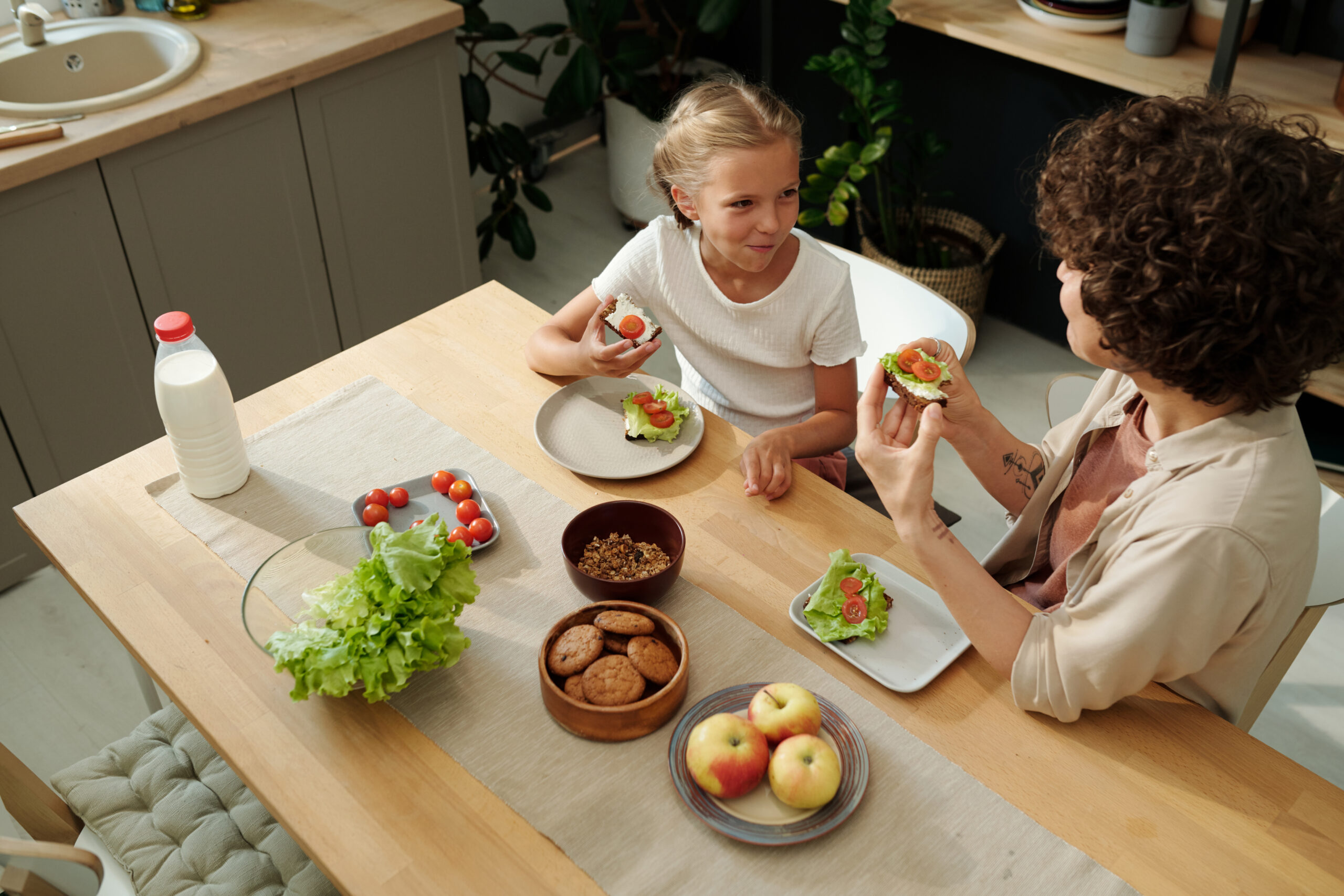
The most critical responsibility of any parent is ensuring that they provide their children with a proper foundation to live healthy and fulfilling lives. The cornerstone of the same is having an effective balance in diets. Proper diets are instrumental in the growth and development of children. In light of these circumstances, this article highlights the essential aspects of a balanced diet in children and tips to incorporate the same in children.
Why Are Balanced Diets Important For Kids ?
Balanced diets are crucial because they play a vital role in promoting growth and development in kids. The same will enable the child to be able to meet all his nutritional needs. When provided with enough nutrition through the various diets, the child will be healthy and ready to achieve academic success and bounce back from illness. Additionally, he will be able to maintain focus and concentration.
Macronutrients For Kids Growth And Development
For a balanced diet in kids, macronutrients such as carbohydrates, proteins, and fats are important. The former serves as the primary source of energy in kids while proteins help with the building and repairing of the tissues in children’s bodies. The latter facilitates proper brain function in kids.
1. Carbohydrates
For the provision of sufficient energy, it is important to ensure that your kids consume adequate amounts of carbohydrates. Such can be provided in the form of grains and fruits. Some of the options available include brown rice, quinoa, and whole wheat breads.
2. Proteins
Proteins are important when building and repairing tissues. Some of the foods available as excellent sources of proteins include legumes such as beans and chicken and other kinds of meats.
3. Fats
When considering brain function, the importance of fat cannot be undermined. They are available in various healthy foods such as avocados, nuts, and seeds. There are essential fatty acids in fatty fish, nuts, and seeds, making them important sources of fats.
Meal Ideas For Kids
With mealtimes providing you with a chance to expose your kids to various healthy foods, here are some of the best meals for kids:
1. Breakfast
Some of the meals available for consumption at breakfast include overnight oats, whole grain toast combined with eggs and avocados, or simply Greek yogurt with fruits and granola.
2. Lunch
In addition to the soup with whole grain crackers, some of the lunch options include grilled chicken sandwich with turkey, lean meat, or chicken.
3. Dinner
During dinner time, the most common meals include roasting veggies and combining them with lean proteins such as chicken and beef. Quinoa, or alternatively brown rice with grilled chicken or fish, is yet another healthy option.
Healthy Snacks for Kids
Healthy snacks are important because they provide your kid with fast energy sources. Here are some of the best snacks for your kids:
1. Fresh Fruits
Some of the healthy snacks using fruits include apple slices paired with almond butter and grapes with cheese.
2. Vegetables
Snacks prepared using various kinds of vegetables, such as carrots with hummus, cucumbers with dill dip, or cherry tomatoes with balsamic vinegar.
Tips for Ensuring Your Kids Eat Well
It can be difficult to encourage healthy eating habits. Nonetheless, here are some tips to encourage your kids to eat healthier.
1. Expose Them To Different Food
To ensure diversity, expose your kids to different meals so that they can try out new foods.
2. Avoid Restrictions On Various Kinds of Food
Restricting kids on certain kinds of foods can promote unhealthy eating behaviors.
Conclusion
A balanced diet plan for your kids will go a long way in ensuring healthy development and growth. You can provide a good diet to kids by incorporating various foods such as fruits, vegetables, whole grains, lean proteins, and healthy fats.