
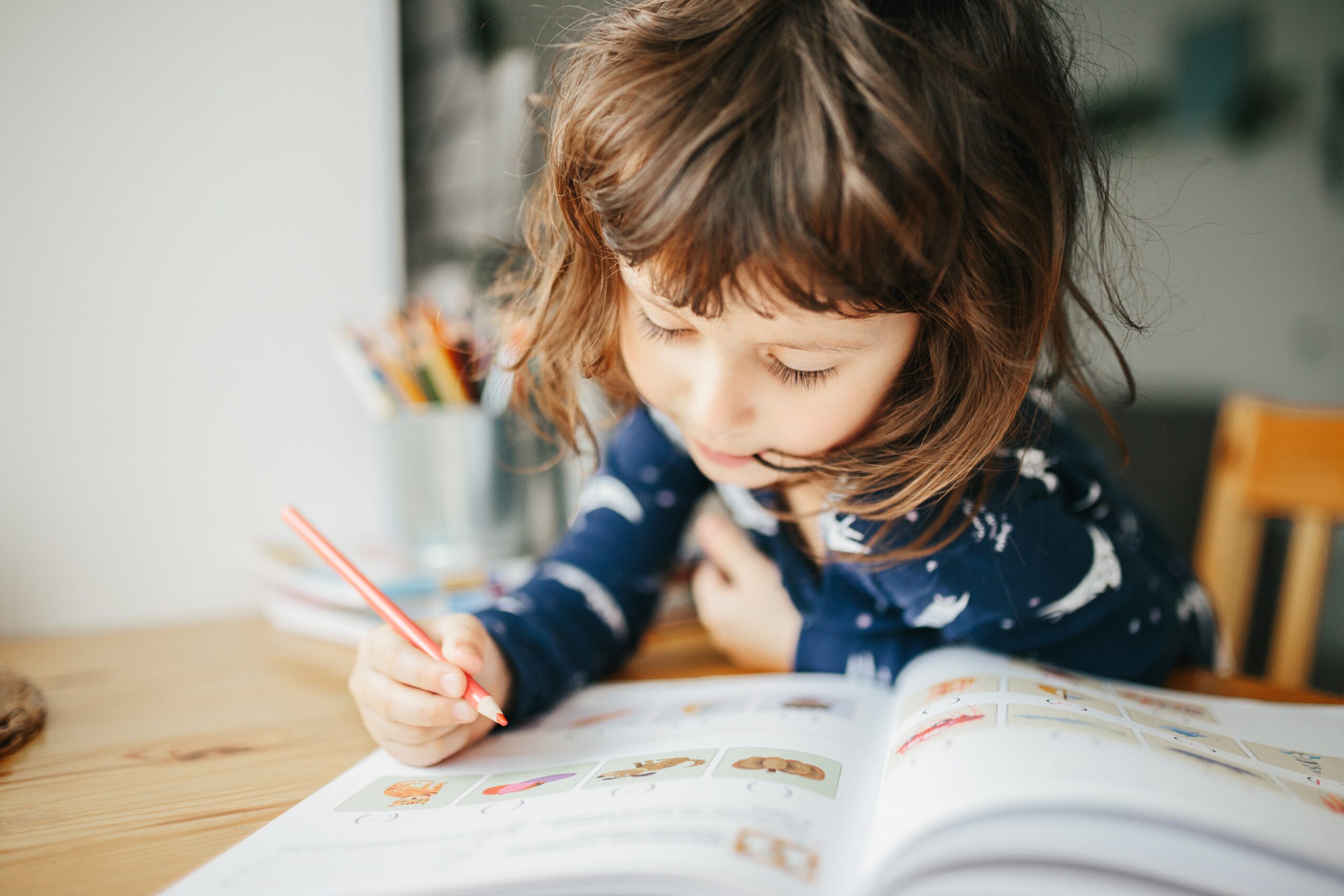
As parents, one would expect us to desire our children to perform excellently at all times and achieve their best academically. However, with the demands of the modern world, it is quite easy for us to forget the habits we can cultivate in them to ensure that they become great learners. Developing a suitable daily routine will allow us to equip our children with essential habits required for excellence in education.
Developing a Suitable Learning Environment
The first step towards making our kids successful students is developing a proper learning environment. We need to ensure that the learning environment is conducive to their learning processes since kids are highly sensitive to any distractions around them. The ideal way to do this is by asking our kids to set aside a space in their room or a quiet corner where they can learn comfortably. Getting a desk, lamp, chair, and some motivational quotes in such a place will create the right atmosphere.
It is also necessary for us to minimize the potential sources of distraction in the learning environment so that our children can focus better and concentrate on their studies. Such measures will go a long way in enhancing productivity and reducing the amount of pressure they undergo while studying. For example, we can turn off the TV during meal times and require our kids not to use phones or any other electronic gadgets when studying.
Developing a Daily Routine
Having a consistent daily routine is another habit that is very helpful in ensuring that our kids become successful academically. As parents, we should encourage our children to develop a routine that involves sleeping regularly, eating a healthy diet, and undertaking physical exercises. It is worth noting that simple physical activities such as playing ball games and jogging are highly beneficial in helping our kids develop the skill of solving problems.
In addition to physical activities, we should encourage our kids to spend time reading books, completing assignments, and engaging in math exercises. For example, we can ask our children to complete a portion of homework every night, read a chapter of a particular book, and undertake writing and math exercises on a daily basis. Involving our kids in such activities helps them learn the importance of accepting responsibilities.
Cultivating Self-Awareness and Self-Discipline
As parents, we should also encourage our children to cultivate self-awareness and self-discipline in their lives. These two skills are crucial for kids in building their emotional intelligence and managing stress effectively. Some of the ways we can cultivate self-awareness and self-discipline in our children is through encouraging them to undertake some form of meditation and deep breathing exercise.
Our kids should also be allowed to undertake creative activities such as painting, drawing, and writing stories. Creative practices play an important role in helping our kids develop critical problem-solving skills that will be useful in all spheres of their lives.
Promoting Social Interaction and Collaboration
The ability of our kids to socialize and work in teams will go a long way in ensuring that they become successful academically in the future. As parents, it will be prudent for us to encourage our kids to take part in activities that will help them socialize better. For instance, we can motivate our children to join some sports activities that will promote socialization and collaboration among them.
We can also motivate our kids to participate in some forms of activities that require them to develop critical thinking. In other words, we should allow our kids to solve some puzzles and participate in different brain-stretching games to foster their intellectual capacity.
Setting Goals and Monitoring Progress
Goal-setting plays an essential role in making sure that our kids become great learners because it enhances their motivation. We should encourage our kids to set realistic and attainable goals for themselves that they can measure. For example, our kids can set goals of completing particular reading assignments and master a specific math concept.
We should also encourage our kids to reflect on their learning processes regularly so that they can realize the progress they have made. In fact, we can require our kids to write journals where they reflect on their performance in class.
Fostering a Growth Mindset and Supporting Self-Directed Learning
As parents, we can help our children become successful academically through fostering a growth mindset. Fostering a growth mindset enables our kids to view their errors and failures as opportunities to learn. We should encourage our kids to embrace the fact that mistakes are not negative and motivate them to try various things in order to grow.
Self-directed learning can help our kids become more independent and effective learners. We can foster self-directed learning in our kids by allowing them to undertake some research activities on particular topics of interest.
Conclusion
Building strong learning habits in children requires consistency, encouragement, and a supportive environment. By establishing healthy routines, promoting self-discipline, encouraging collaboration, and fostering a growth mindset, parents can help children become confident and independent learners. These daily habits not only improve academic performance but also prepare kids for lifelong success and personal development.