
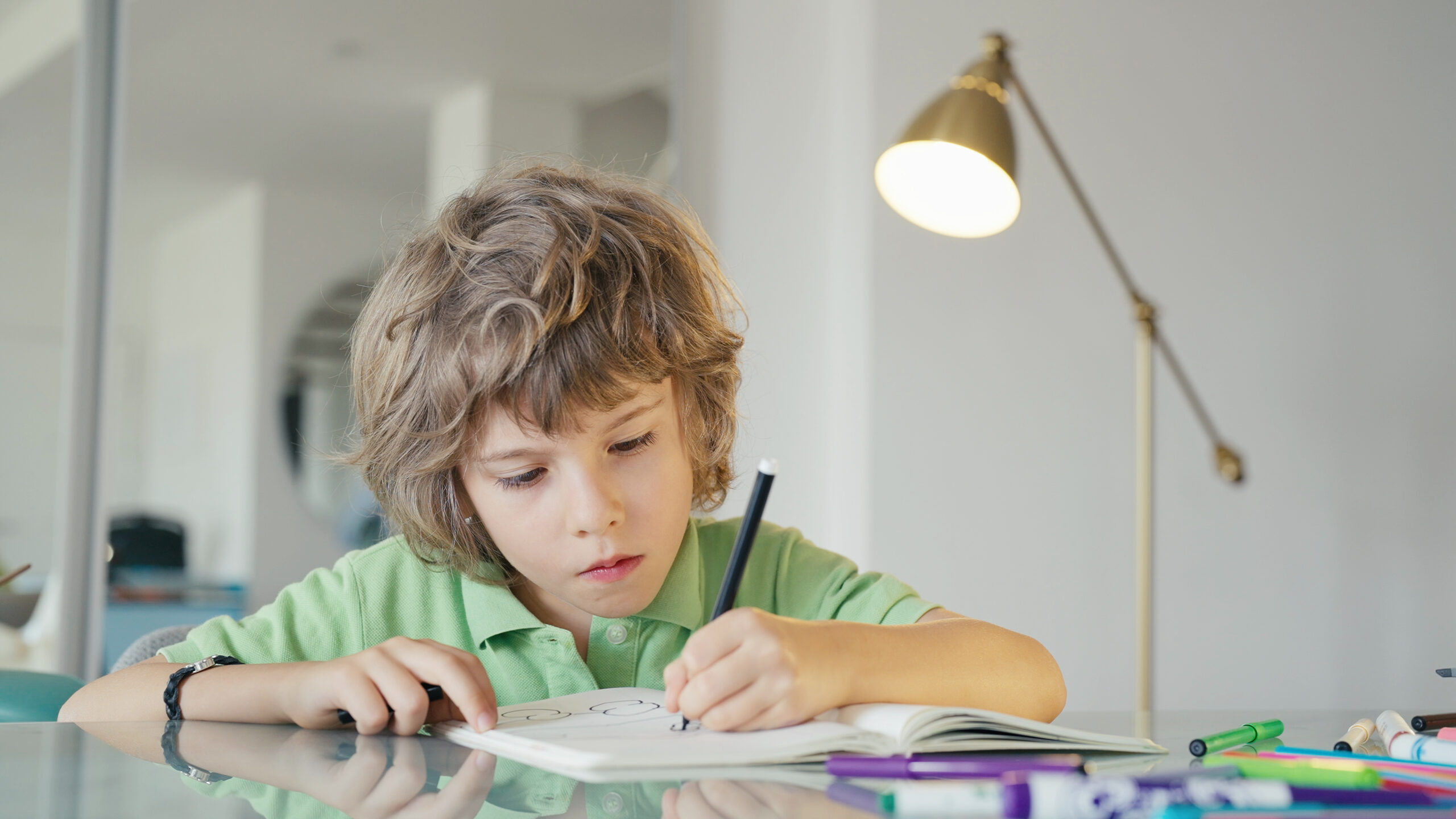
Parents or educators usually wish only the best for their children’s educational achievement. Nevertheless, many children face learning difficulties, which lead to frustration and a feeling of low self-esteem. Therefore, it is possible to mention that there exist a number of methods which allow improving children’s learning skills. If used properly, these methods can ensure the development of necessary qualities of mind, making young learners successful and knowledgeable people.
Encouraging Active Learning
Active learning is an important factor in improving children’s learning skills. In this respect, it should be mentioned that the main feature of active learning is participation in discussions, conducting experiments, working on art projects. As a result, critical thinking and analytical skills can be improved. The most effective ways of encouraging children’s active participation in learning are as follows:
- Offering hands-on activities, including conducting science experiments, creating art projects and cooking.
- Promoting discussion and asking questions related to particular learning activities.
- Discussing various topical problems related to modern society.
Fostering a Growth Mindset
Another important step that can be taken is fostering a growth mindset. According to Carol Dweck, who has introduced this concept, people can improve their abilities if they make some efforts and continue learning throughout their life. Therefore, fostering a growth mindset is crucial in improving learning skills among children. Among possible ways, there could be the following approaches:
- Praising students for their effort, instead of focusing on talent or intelligence
- Allowing taking risks and trying something new
- Talking to children about the importance of hard work and persistence
Creating a Supportive Learning Environment
The learning environment greatly influences the learning process itself, therefore, creation of such an environment is necessary. It is characterized by order, silence, absence of any distraction. Thus, by creating a supportive environment, parents or teachers can contribute to improving children’s learning skills. Possible ways of doing that include the following:
- Arranging an appropriate place for learning activities
- Creating a quiet environment
- Arranging everything needed and providing children with an ergonomic seat
Building Positive Relations with Teachers and Peers
It is known that positive relations with peers and teachers are important for children’s educational motivation. When children understand that teachers and peers care about them, their performance will greatly improve. Possible approaches include the following:
- Creating an environment where teachers can communicate openly with children and vice versa
- Participating in different kinds of clubs and other extracurricular activities
- Building communities based on friendship and support
Provision of Opportunities for Feedback and Reflection
In order to foster the improvement of learning skills, it is important to give opportunities for children to receive feedback and evaluate their own performance. Some ways of doing that can be identified, such as:
- Giving feedback on children’s performance and achievements
- Encouraging students to evaluate their achievements critically and set new goals
- Evaluating performance using rubrics
Engaging in Active Parenting
Active parenting plays an important role when talking about children’s educational success. In other words, parents should be interested in their children’s education and actively participate in the learning process. The following ways of engaging in active parenting could be considered:
- Participation in parent-teacher meetings and discussion of children’s progress
- Being engaged in school activities as a volunteer
- Letting children manage their learning independently
Conclusion
Improving children’s learning skills requires a combination of active engagement, a supportive environment, and positive encouragement. By fostering a growth mindset, promoting meaningful feedback, and maintaining strong partnerships between parents, teachers, and students, children can develop confidence and effective learning habits. These skills will not only support academic success but also encourage lifelong learning and personal growth.