
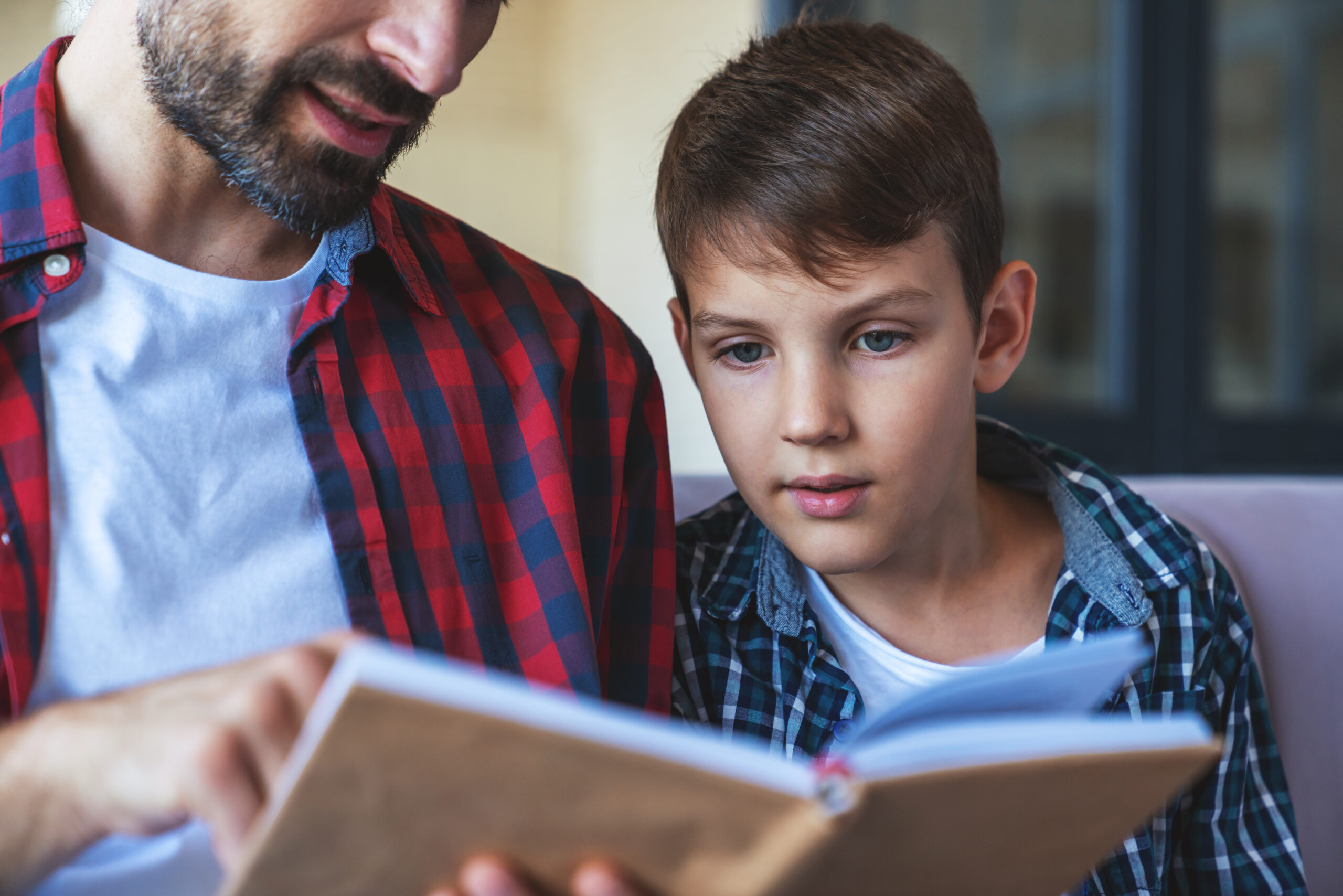
As parents, we all strive to ensure our children have the best start in life. Nevertheless, with the current pace of life, sometimes it becomes difficult for us to find enough time and means to assist our offspring in learning. Luckily, there are numerous practical ways to improve your kid’s learning skills. In this paper, I will discuss several effective strategies which, if implemented in your daily activities, can help your child become an efficient and productive learner.
Learning Environment Creation
The learning environment is one of the key elements of a successful education. A busy place full of various sounds and distractions can impede your child’s concentration and learning process. Therefore, here are some recommendations for creating a supportive environment for your child:
- Establish a special space where your child will be able to learn without any obstacles and distractions.
- Let your child participate in the creation and organization of the room in order to instill ownership and responsibility.
- Make sure that the light and temperature of the room meet all necessary requirements.
Having a dedicated space for learning can help your child establish a proper daily routine associated with studying. Besides, creating an organized and clean environment promotes effective work on tasks which requires certain discipline.
Active Learning Encouragement
Active learning is vital for a child’s education. Thanks to it, they can actively use different methods for comprehending new information and retaining it in memory. Here are some approaches for encouraging active learning in your kid:
- Study together, for example, do reading or complete puzzles.
- Motivate your child to ask questions and find answers to them independently.
- Use visual aids and concrete examples when explaining something new.
With the use of these techniques, your kid can become interested in learning processes and understand new things easily. Additionally, it teaches them various valuable skills which may include analysis and cooperation.
Growth Mindset Promotion
A growth mindset is very important for any student because it helps them deal with difficulties effectively and persevere. Therefore, the following measures may help you instill a positive attitude towards challenging situations in your kid:
- Always highlight your child’s efforts and achievements.
- Motivate them to overcome obstacles and not be afraid of failures.
- Together determine the goals and outline the path to achieving them.
Such measures can contribute to the formation of healthy habits which may last throughout your child’s life. Thus, you will teach them valuable skills, for instance, perseverance and self-awareness.
Development of Essential Skills
Acquiring essential skills is very beneficial for a person’s personal development. Here are some techniques for developing such skills in your child:
- Promote your child’s participation in collaborative projects.
- Demonstrate necessary actions and show how they should act.
- Give your kid the opportunity to exercise essential skills in practice.
Using these recommendations, you can help your kid build up their self-confidence and be more prepared to face any situation in future. At the same time, these activities can promote the development of essential skills, namely, communication and teamwork.
Establishment of a Strong Relationship
A strong relationship with a child plays a pivotal role in the process of their development. It positively influences them by making them feel valued, loved, and encouraged to learn something new. Some techniques for building this type of relationships include:
- Spending more quality time together while participating in entertaining activities.
- Showing sincere interest in your kid’s experiences and interests.
- Conducting open conversations with each other.
Such interactions are beneficial for building up a child’s motivation to study. On top of that, they facilitate the development of important skills, namely, empathy and self-awareness.
Conclusion
It can be seen that there are many strategies that, if applied correctly, can help your kid improve their learning skills. Such approaches as establishment of a dedicated space for studying, promoting active learning, instilling a positive outlook on difficulties, developing necessary skills, and establishing a healthy relationship with your kid can assist them in being efficient and successful learners.