
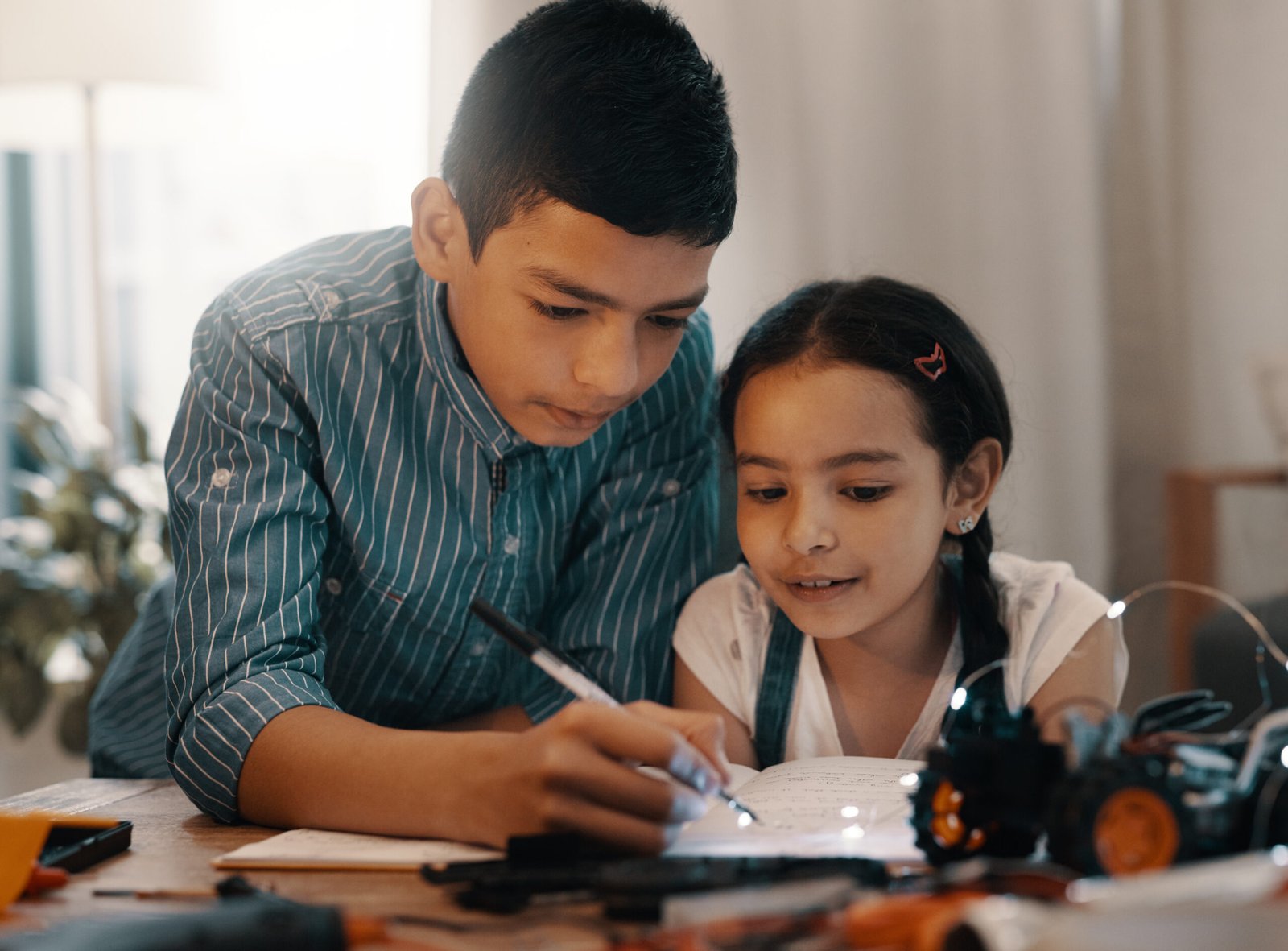
Learning skill formation in childhood is critical because it ensures successful education at school and in adult life. Today’s rapid development requires continuous education from people. However, it may be hard for parents to create a favorable atmosphere for learning and encourage interest in studying in their kids. Still, some methods of helping kids improve their studying can be suggested.
Creating a Favorable Environment
It is necessary to establish a perfect learning environment for an effective studying experience of kids. The following actions will contribute to forming the best place for children’s education:
- Choose a dedicated space: Establish a certain place where a kid will study without any distractions. Make sure that a TV, video games, or social networks are not located in that area.
- Provide all required supplies: Make sure that all necessary textbooks, notebooks, and other materials are present. In addition, you can purchase some additional equipment such as a whiteboard and a projector.
- Make a place organized: Teach a child to keep his/her learning space clear of unnecessary stuff.
Apart from establishing an appropriate learning environment, it is also recommended to stimulate kids’ active and independent learning.
Stimulating Active Learning
It implies that a child should not only listen to the information but engage into the process of obtaining knowledge. It allows students to stay motivated, concentrated, and attentive during the studying process. The following actions can facilitate children’s active learning:
- Ask a child open-ended questions: It will encourage children to think deeper instead of giving simple answers like yes or no.
- Motivate kids to discuss their studies: Encourage students to communicate their experience of learning with their relatives and friends.
- Arrange interesting practical tasks: Consider implementing hands-on activities, such as science experiments and art projects.
Encouraging Self-Directed Learning
When children set their goals and try to achieve them independently, it refers to self-directed learning. This type of studying can lead to your child developing an affection for education. The following tips will be useful in this regard:
- Set goals for a child: Let your child formulate his/her objectives, such as finishing certain projects and achieving a particular level of proficiency.
- Give choices to a kid: It is better to give freedom to children in terms of studying, allowing them to decide which subject to choose and what materials are to be used for learning.
- Inspire self-reflection: Your kid should be able to assess the process of his/her studying and reflect on mistakes made.
Leveraging Advancements in Modern Technologies
Due to the availability of the Internet and other types of technologies, there appear new approaches to learning. The following techniques can be applied to benefit from technology:
- Use educational courses offered online: Websites such as Khan Academy, Coursera, and edX provide various courses that help improve kids’ studying.
- Implement educational applications: Applications such as Duolingo, Quizlet, and Khan Academy Kids help make education easier.
- Organize virtual visits: There exist websites and other sources where your kid will be able to visit places related to the subjects being studied.
Being Consistent and Patient
Educating a kid properly takes time and requires persistence from parents. Thus, it is necessary to be consistent and patient while developing children’s learning skills. Below are the following recommendations in this regard:
- Create a schedule: Establish a regular routine when kids will be involved in the studying process.
- Praise successes: Reward your child with praises for reaching goals or making remarkable efforts in education.
- Show patience: Understand that your kid can encounter obstacles or challenges in education.
Monitoring Progress and Changing Strategies
It is also crucial to follow the progress of a child and adjust your strategies for maximum success. The following steps can be taken:
- Measure the progress: Track kids’ development using instruments such as learning journals and progress charts.
- Change the strategy: Modify your teaching strategies according to results obtained.
- Consult specialists: You can also seek assistance from professionals, such as tutors or consultants.
Conclusion
Improving kids’ learning skills requires a combination of a supportive environment, active participation, and consistent encouragement. By promoting self-directed learning, using educational technology wisely, and maintaining patience throughout the process, parents can help children become confident and independent learners. Regularly monitoring progress and adapting strategies ensures continuous growth and long-term academic success.