
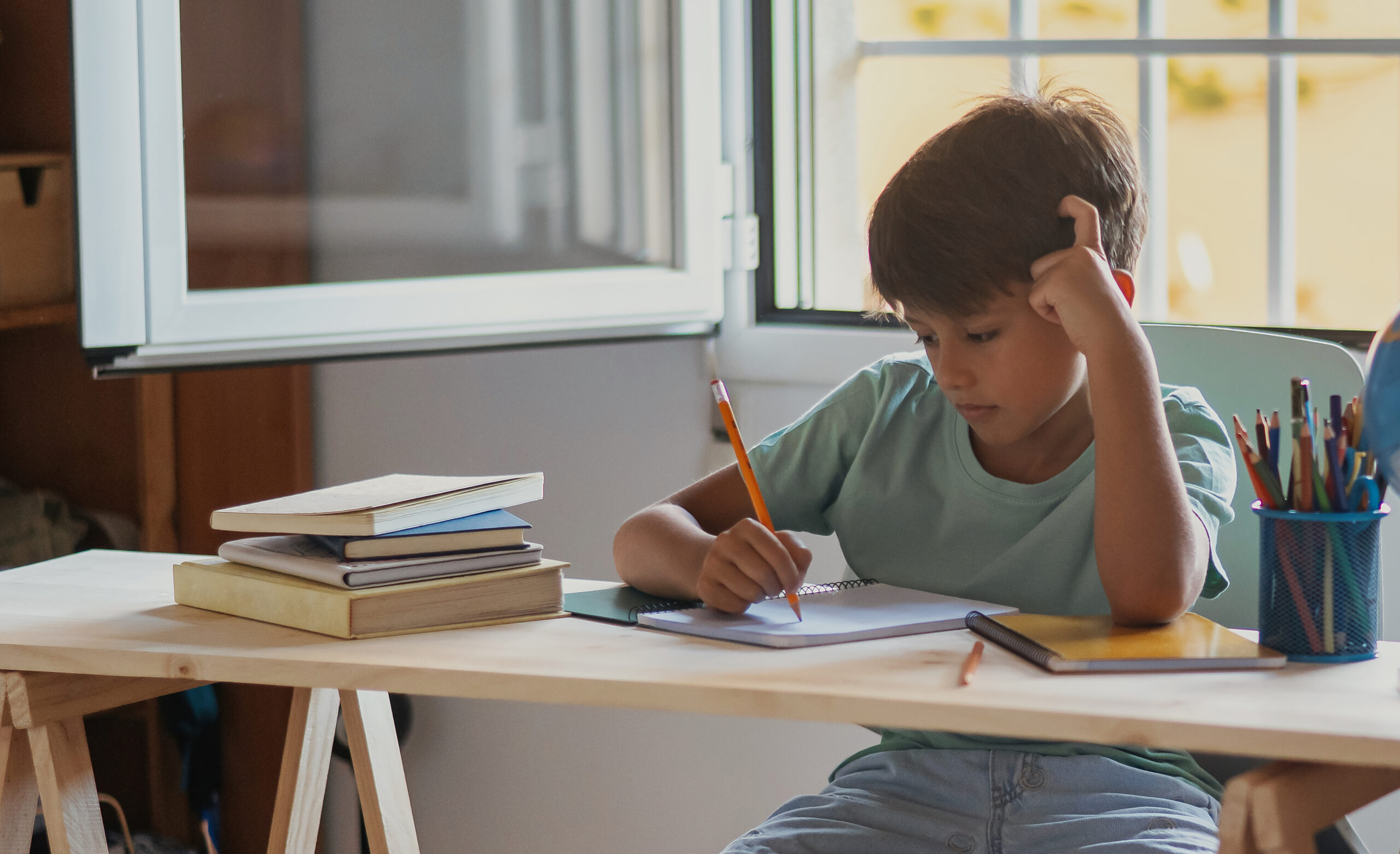
Studying is one of the most critical things which affects children’s academic performance and personal development. As a parent, you should assist your children to get prepared for the lessons and develop their studying habits. Children need to deal with a great number of disciplines, homework assignments, and extracurricular activities. Thanks to your assistance, your children will know how to do all this. You will help them develop good habits, which they will employ to succeed in their future career.
Providing Good Study Conditions
Creating conditions in which kids can concentrate and absorb information effectively is vital. It is recommended to have some place to study where they would not be distracted. For example, you may establish a nice quiet place at your house, buy them a good chair and enough lamps to see everything clearly. Also, you should restrict the time during which kids play games and watch TV shows. Moreover, you should have some cleaning schedules because they teach discipline.
While organizing a study room, you should take into account particularities of your child’s personality. For example, if you have a visual learner who needs colors and pictures to memorize the information, you can give them markers and highlighters for notes. If your child is an auditory person, you should recommend him or her to listen to educational videos or podcasts.
Creating a Study Schedule
A good study schedule helps kids organize themselves, stay on the right track and achieve success in education. Such a plan should include particular hours for working with their homework, reading books and reviewing everything they did. Having such a schedule, children can easily make priorities, organize their time properly and become personally responsible people.
When creating a study plan, you need to identify proper times for your children. They should experience several variants to see which one fits them best. Physical exercise, meditation, and mindfulness practices help them to relax and regain energy.
Encouraging Active Reading
Active reading is an important thing for developing healthy habits of studying among kids. Active reading means reading, analyzing the texts, connecting ideas together and asking interesting questions. Using this method, you will help your children understand the material, learn and remember it well.
There are several methods you may apply to help your children read actively. Thus, they can ask you some open-ended questions to better understand the idea and its connection with other things. You can help them to find connections between the learned material and real-life. In addition, visualization helps to remember the information. Finally, discussing the themes with your children promotes thinking.
Fostering a Growth Mindset
Fostering a growth mindset means fostering willingness to embrace challenges and be persistent. This mindset means seeing every failure as a chance to improve and develop. This is an important feature of every successful learner because he or she finds a love of education and motivates himself or herself.
Here are some tips to foster a growth mindset in your children:
- Valuing effort: you should show children that success results from hard work and perseverance;
- Praising achievements: you should recognize every achievement of your children;
- Modeling a growth mindset: you should tell your children your stories about success and failures;
- Reflection of learning achievements
Creating a Relationship with Your Child
Establishing good relationships with children helps to make them willing to study and meet their academic requirements. The positive communication is an inspiring factor.
Some suggestions for establishing a good relationship:
- Effective communication: you should speak with your kids using polite phrases and listen to them attentively
- Show interest and be excited: show enthusiasm about the academic performance of your kids
- Give choices: you may allow your children to choose how to organize their studying process and what strategy to use
- Consistent expectations: establish expectations which will foster stable relationships
Overcoming Challenges
Developing good studying habits and meeting academic requirements may prove difficult due to many obstacles. However, you should do your best to avoid frustrations and overcome challenges. You should motivate your child and encourage them to be successful in education.
You may follow these tips when dealing with obstacles:
- Identifying the problem: try to find out what barriers they face when studying. Help them when they have problems with education
- Guidance and additional sources: if they fail in something, you may provide tutoring, group studies, and other useful material
- Celebrating achievements: celebrate even minor achievements of your children
- Self-care: inspire your kids to engage in activities which help to relax
Conclusion
Building strong study habits in kids requires a combination of structure, encouragement, and a supportive learning environment. By helping children develop effective routines, active learning skills, and a growth mindset, parents can foster confidence and academic success. Consistent guidance and positive reinforcement will equip children with valuable habits that benefit them throughout their education and future careers.