
Learning at an early age plays a significant role in facilitating cognitive, emotional, and social development in children. In this regard, early learning helps lay a good foundation for future academic success. Numerous studies indicate that early learning greatly impacts the ability of a child to achieve success in schools and other areas later in life. Specifically, children who undergo early learning usually have better language skills, improved problem-solving ability, and advanced social skills.
Benefits of Early Learning
There are several benefits of early learning. First, it provides a foundation in reading, math, and critical thinking. Second, it cultivates curiosity among young children, thereby helping them develop an interest in discovering new things about their surroundings. Third, early learning enables children to develop an appetite for learning which remains with them for the rest of their lives. Finally, early learning helps create an effective link between home and school environment.
Creating a Supportive Learning Environment
A supportive learning environment is very important for the successful implementation of early learning activities. In essence, one needs to create a friendly environment to facilitate the learning process. This can be accomplished by engaging actively in the process of educating children. By doing so, parents and caregivers will not only be able to encourage children, but will help them develop a growth mindset, which will contribute to achievement of desired results.
The Significance of Play-Based Learning
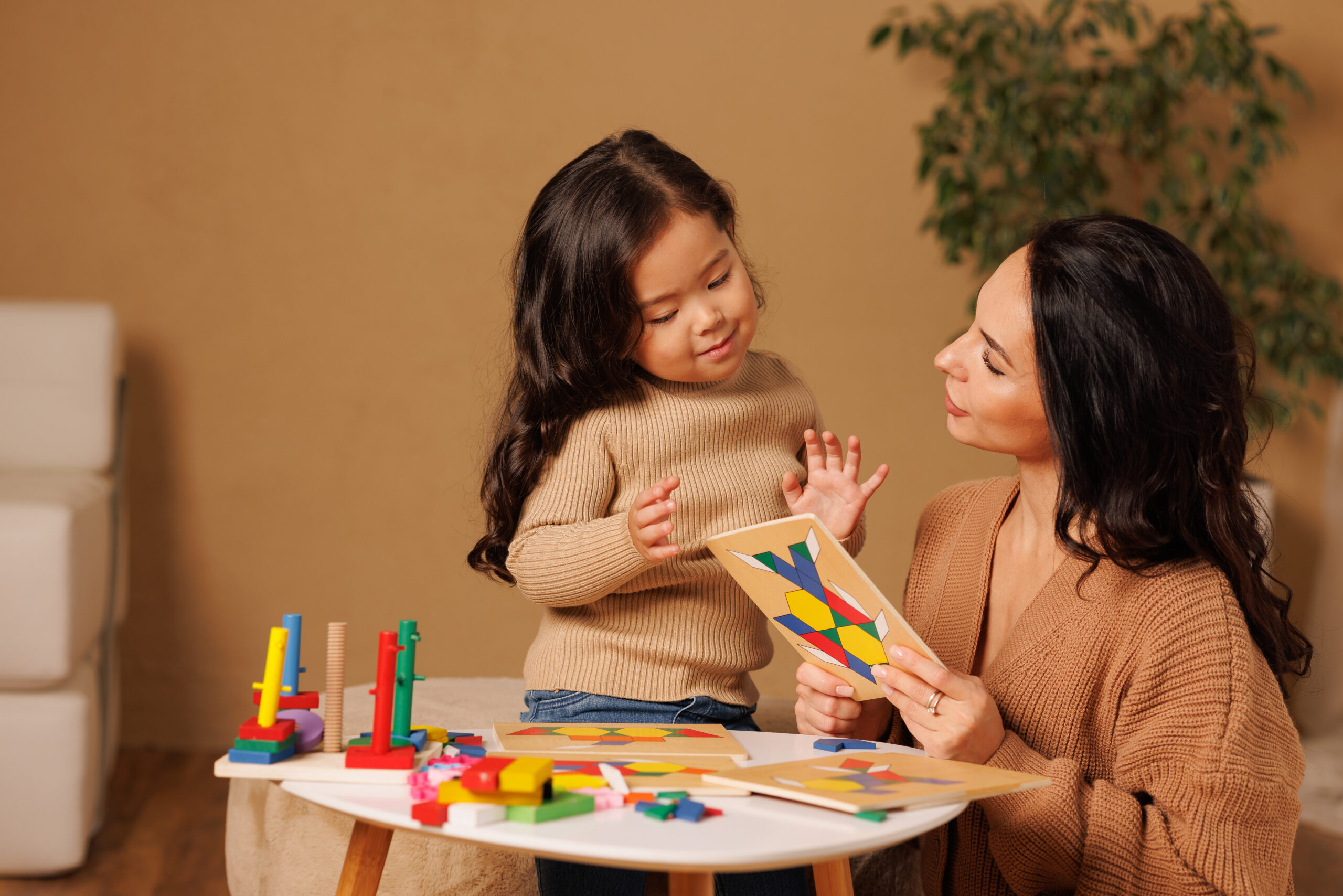
One should note that play-based learning is an integral part of early learning activities. Through play-based learning, children can take part in various activities and exercises aimed at cultivating their literacy, numeracy, and social skills. More importantly, play-based learning teaches kids the importance of social responsibility, cooperation, and other valuable qualities. By incorporating play-based learning in your daily schedule, you will foster a love of learning in children.
Developing Emotional Intelligence
It is essential to understand that emotional intelligence constitutes an integral element of early learning. Specifically, emotional intelligence comprises the ability to recognize, understand, and control one’s emotions. As a result of developing this quality, kids will become more resilient to stress and other difficulties. Moreover, they will be able to create strong relationships with people easier. With the help of emotional intelligence lessons, you can teach them basic life skills.
Establishing Strong Relationships with Kids
Building strong relationships with children is very important for implementing early learning successfully. First, a parent or caregiver needs to create a supportive learning environment. Then, one should establish a relationship with a child to foster mutual trust and respect. By doing so, one will be able to encourage children to learn new things.
Cultivating a Passion for Reading
Finally, one needs to focus on cultivating children’s passion for reading. First, it will give children access to a wide array of interesting stories. Second, it will help them acquire literacy and language skills. Third, it will encourage critical thinking. Finally, reading develops empathy and understanding in children, thereby promoting healthy relationships with others.
Conclusion
To sum up, early learning plays a significant role in helping children develop key skills in literacy, math, and other spheres. Thanks to early learning, children can develop their critical skills and improve their overall performance. Through a supportive learning environment, play-based learning, building strong relationships, emotional intelligence cultivation, and encouraging reading, you can ensure successful learning experiences for your kids.