
As a parent or an educator, you wish only the best for your child. It is natural to hope that the kid grows up to be successful. The best possible thing for your child would be developing powerful skills in learning and memorizing. However, many children suffer from certain issues related to memory and learning. Such problems could be caused by many factors including a lack of sufficient sleep, improper nutrition, or inappropriate strategies in studying.
Importance of Memory and Learning in Children
Being able to learn effectively and memorize a lot of information are critical skills for children to develop. Powerful memory enables children to remember facts, recall necessary data when it is needed, and use acquired knowledge in practice. Meanwhile, poor memorization leads to various difficulties at schools and colleges, low self-esteem, and a general lack of motivation. Being a parent or a teacher, it is vital to identify causes of such problems and come up with a number of solutions.
Strategies to Enhance Memory and Learning in Children
There are several approaches that could be used to improve the level of memory and learning among children. First of all, it is possible to apply the technique of using mnemonics. The idea behind using mnemonics consists of remembering particular data with the help of some memorable associations. For example, ROY G BIV could help to memorize the order of colors in the rainbow (Red, Orange, Yellow, Green, Blue, Indigo, Violet).
The Effect of Proper Nutrition on Memory and Learning
Nutrition is the second aspect to be considered because proper intake of specific foods could enhance memory and learning in children. It is recommended to consume products high in vitamin D, omega-3, and antioxidants. These foods could include leafy vegetables, nuts, fatty fish, etc. Moreover, it is important to stay well-hydrated because enough water could increase your concentration.
Benefits of Physical Activity on Memory and Learning
Physical activities could improve memory and learning processes in children. It is known that exercise increases blood flow to the brain that promotes the production of new brain cells. Running, swimming, dancing could be useful for the development of memory skills in children. Moreover, physical activity helps in reducing stress and anxiety levels that could affect the process of learning and memorization negatively.
How to Provide for an Optimized Learning Environment
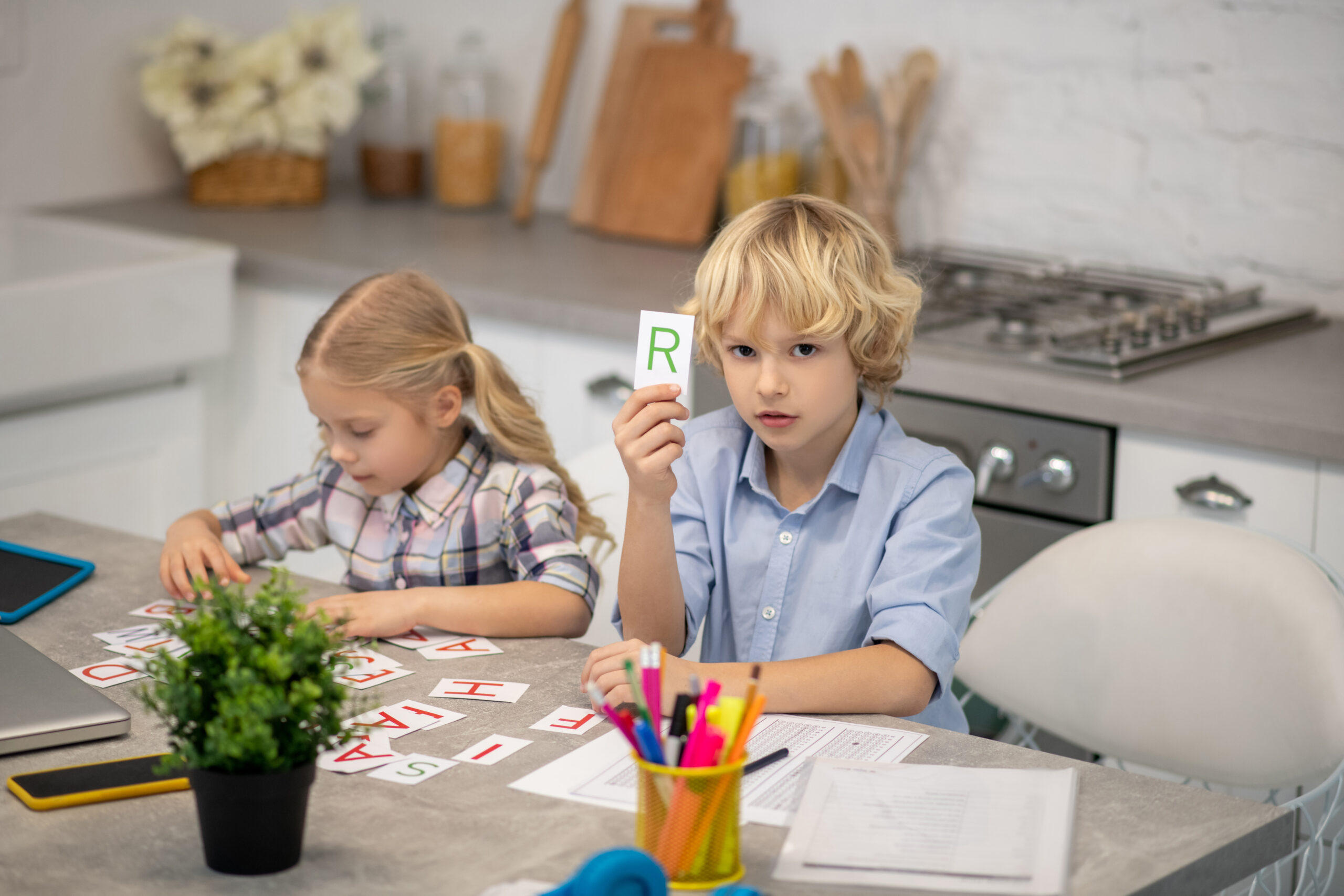
Creating an optimized learning environment is another strategy that might be used. To do this, it is crucial to create a comfortable study area where there are no any disturbances. In addition, multicolored flashcards, interactive tools and educational materials could improve the quality of learning process and make it enjoyable. Parents should motivate kids to take rests and participate in activities that promote mental clarity.
Additional Tips to Enhance Memory and Learning
Finally, here are some additional tips that could prove to be quite helpful for your child. Positive reinforcement might serve as one of these approaches. You have to praise your children for any success, provide rewards for appropriate behavior, and motivate them to act bravely. Moreover, it is important to make learning fun to engage children in the process of memorization.
Conclusion
To summarize, enhancing memory and learning requires application of numerous strategies, tips, and techniques. All the recommendations provided above could assist parents and educators in improving these qualities in children. Try out different approaches, discover the most efficient of them, and enjoy the results!