
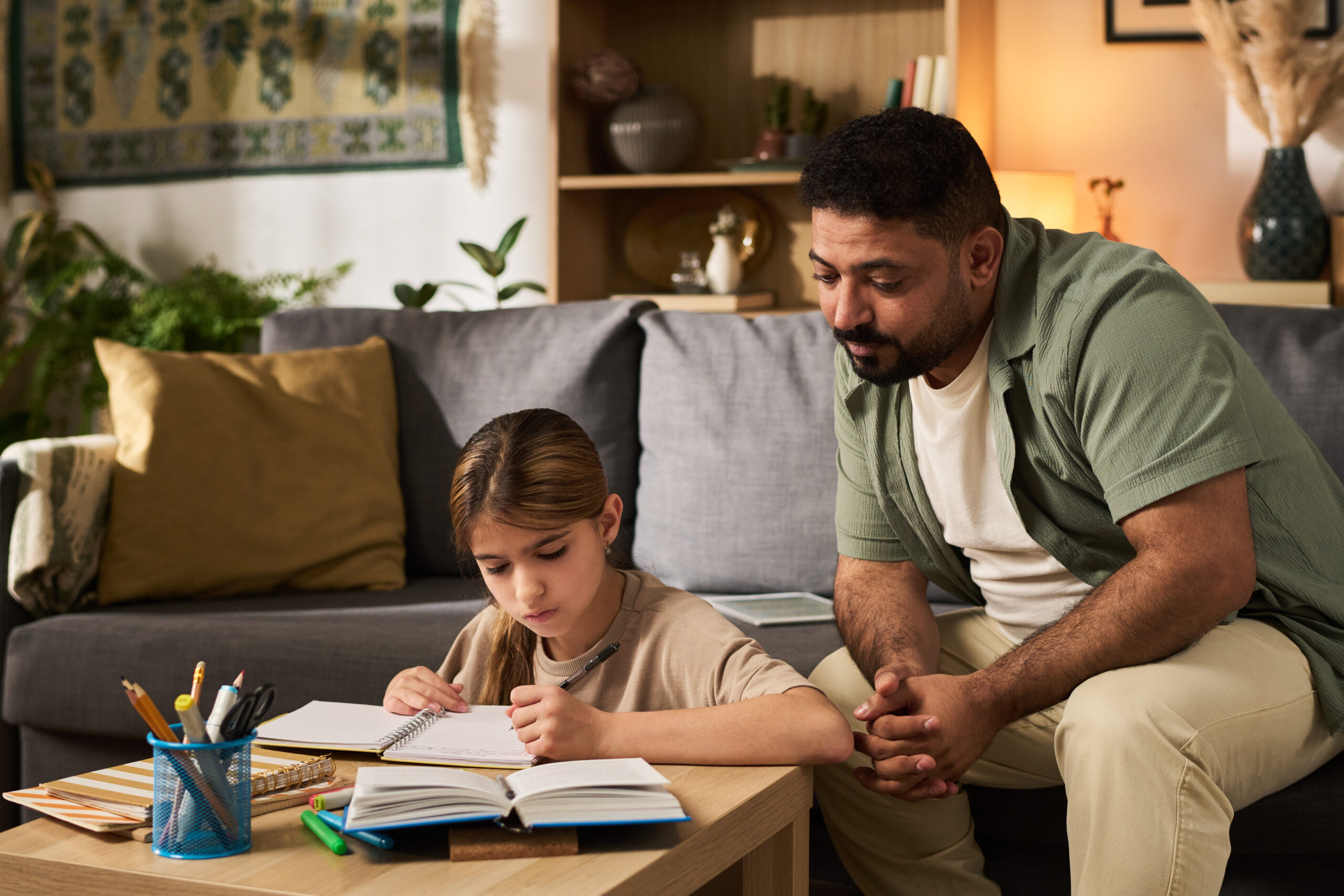
A child’s development is the most wonderful thing that any parent could watch and enjoy. As the parent of young children, I believe that early childhood education is very important because it determines the further academic success of the child. Therefore, as parents, we should be involved in our children’s education by creating proper conditions for their studying.
From the moment my son was born, I was trying to surround him with proper conditions. Early childhood education is a very valuable stage because at this age, it is easier to educate a person. Therefore, I have tried to raise my son in such a way that would provide him with all opportunities for successful education later. Early childhood education involves various methods that may include teaching how to read and solve mathematical problems. However, it is also associated with fostering social skills and developing a proper attitude towards studying.
Encouraging a Love of Reading
One of the best ways to foster early childhood education is to encourage the love of reading. The importance of literature is undeniable because through reading, a child develops linguistic skills and imaginations. In order to foster a love of reading, I would advise:
- Integrate reading into daily routine of a child, for example, before sleep.
- Choose interesting books that fit age and interests.
- Discuss the plots and characters.
- Create an atmosphere around a book.
Creating a Learning Environment
The surrounding environment plays an essential role in the process of education. Parents can create conditions in which it would be interesting for a child to study. In order to create an appropriate learning environment, one can suggest the following:
- Design a special area where a child will study.
- Provide the child with different learning tools such as educational toys, puzzles, and books.
- Offer various kinds of activity that could involve hands-on learning (playing with paint, dough, etc.).
- Incorporate natural elements in playing games with your child.
Fostering Social Skills
An essential part of early childhood education is the development of proper social skills. In order to develop these skills, parents need to:
- Organize regular meetings with other kids (play dates).
- Show how to communicate in a proper way (empathy, active listening).
- Teach a child how to articulate thoughts.
- Engage a kid in team activities (music, dancing, and sports).
Developing Confidence
A person who is sure of his abilities and knowledge is more likely to study successfully. Thus, in order to teach a child to study, parents need to raise his or her confidence. For example, I would recommend:
- Be constantly ready to praise a child for his efforts and successes.
- Support a kid in all his/her endeavors, especially the unusual ones.
- Every achievement should be celebrated.
- Teach a child to think over what he or she learned.
Supporting Your Child’s Learning Style
Each person perceives things differently and has certain learning styles. Some people learn better by listening, while others prefer to see pictures. Thus, parents should observe the peculiarities of learning in their children. For example, you should consider the following:
- Pay attention to interests and preferences of your kid.
- Use multisensory activities to foster learning.
- Teach a kid to analyze things, ask questions, and find answers.
- Find materials and resources that suit your kid.
Conclusion
Thus, I believe that as a parent, I should be actively involved in the education of my son. I want to provide him with necessary conditions in order to develop into an intellectually advanced and socially responsible person.