
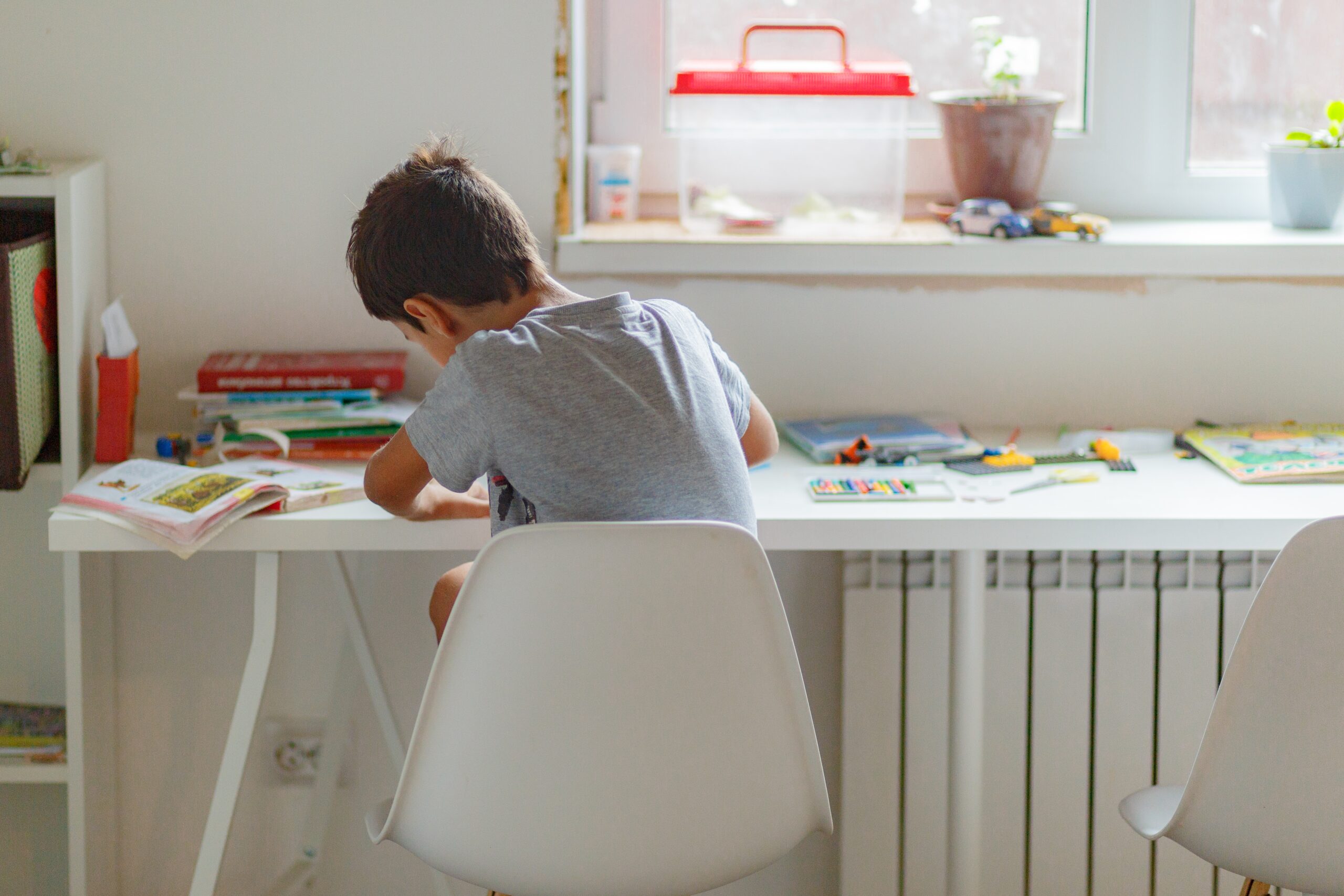
As a parent, you strive to give your child everything they could possibly need. One of the greatest favors you can ever do for your son or daughter would be instilling them with good learning habits. Studies show that kids who acquire good learning skills are more efficient at gaining new knowledge at school. They also enjoy a much more positive attitude towards their studies in general. Encouraging love for learning in your kid early on gives them all the right tools to achieve great results at school later on.
How to Build Your Child’s Good Learning Habits
Learning skills involve the ability to acquire new information and practice various learning techniques. Fostering good learning skills in children is especially important at an early age since they set the stage for future academic success. If a child learns how to approach his/her education positively, he/she becomes more focused and motivated to make progress in terms of studying.
Creating a Favorable Environment
Creating an encouraging learning environment is important in fostering good learning skills. You will have to create a study area in your home without distractions and equip it with numerous educational materials to engage your child actively in acquiring knowledge. Making learning interesting and fun motivates children to become more enthusiastic about studying.
Encouraging Active Learning
Active learning includes any activity that makes kids interact directly with the subject matter. In addition to just hearing or being told what something is, a child must also engage in such activities as reading books, writing stories, drawing pictures, etc. By doing so, children get to learn about things in-depth while also retaining the acquired data more effectively. It is essential for proper learning development.
Promoting a Growth Mindset
A growth mindset means the realization that intelligence and skills increase with practice and hard work. Kids that adopt a growth mindset look at new challenges as opportunities to learn and grow while not taking those problems personally. By encouraging a growth mindset, you’ll ensure that your child adopts the curiosity-driven love for studying.
Creating a Schedule
Having a schedule is crucial for encouraging good learning habits. By designating certain times for homework, reading, and other learning activities, you’ll teach your child to organize their time properly. Having a structured day helps kids become more organized in terms of their learning practices which greatly benefits their academic performance.
Fostering Love for Reading
Making your child fall in love with reading is one of the best possible ways of ensuring good learning habits in the future. Besides helping children to develop a thirst for knowledge, reading helps expand their horizons by giving kids different viewpoints and enriching their vocabulary. Encourage your child to read a lot of different books in order to stimulate their creativity.
Stimulating Independence
Being independent is very important when it comes to building effective learning habits. When children learn to manage themselves, they become more self-sufficient and responsible which leads to better results at school. Prompt your child to be self-reliant to increase his/her efficiency of learning and overall self-worth.
Conclusion
Good learning habits are a gift to a child that they will appreciate forever. To develop good learning skills in your child, you need to create an appropriate environment, promote active learning, establish a growth mindset, create a daily routine, foster love for reading, and promote independence. Keep in mind that every kid is unique and may respond differently to these approaches.