
All parents and caregivers would be glad to see their children flourish and succeed in life. The process of learning, which is an integral part of a child’s life, is what makes them smart, knowledgeable, analytical, and able to perceive and understand various things. Thus, one way to make your child smarter is by enhancing his/her learning abilities.
How to Enhance Cognitive Abilities through Play
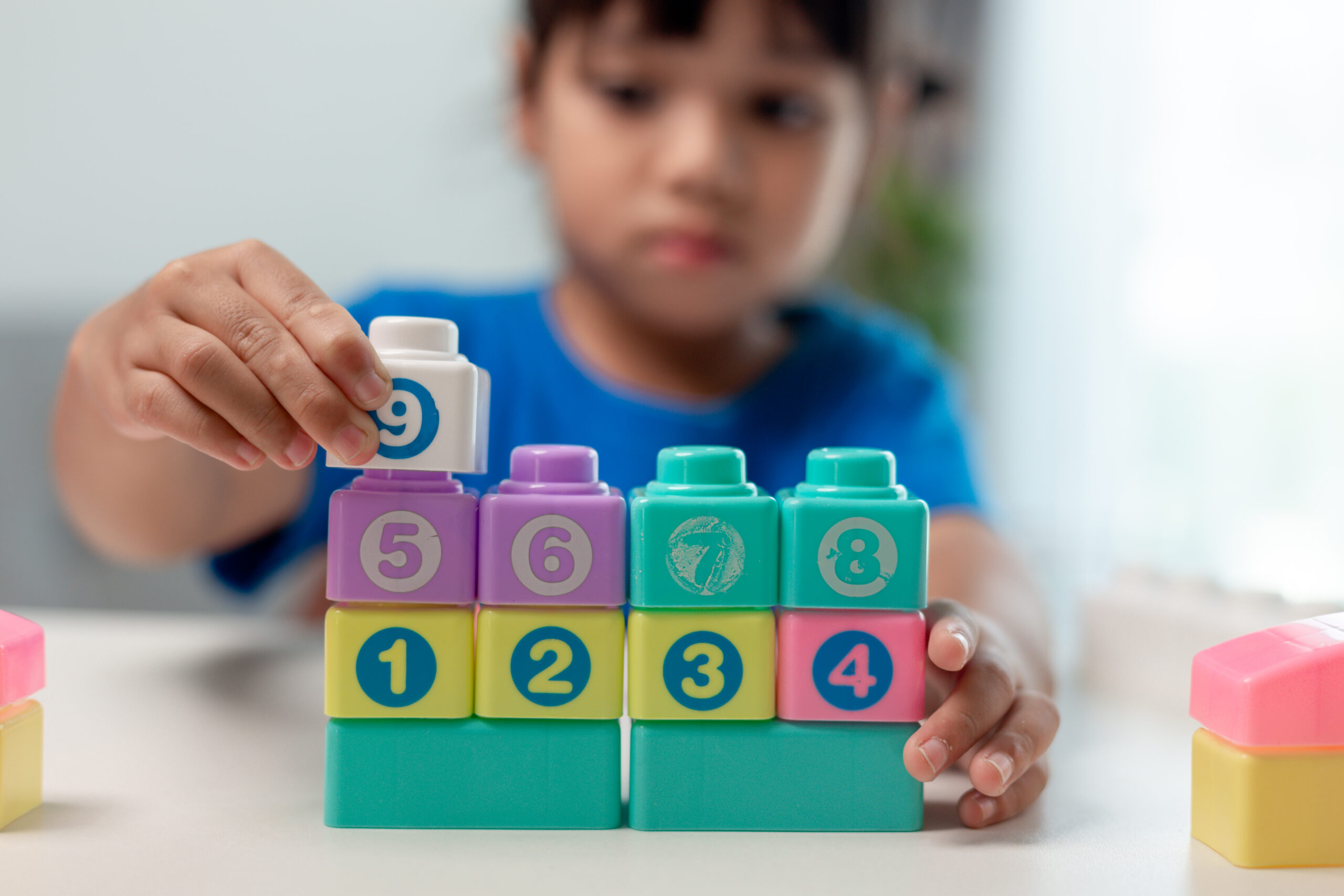
Learning involves numerous processes, one of which is play. Playing helps children explore their environment and develop their cognitive abilities. You can include different play activities into your kid’s daily routine. For example, playing with building blocks will improve children’s fine motor skills, hand-eye coordination, and problem-solving skills. Moreover, reading stories will develop their passion for knowledge, expand their vocabulary, and sharpen comprehension skills.
How to Improve Learning Power in Children with Movement Activities
Another useful strategy for increasing your child’s learning power involves physical activity. Dancing and other movements will not only have a positive effect on children’s health but also help them concentrate and think properly. Therefore, encourage your kids to participate in activities that involve moving.
Importance of Developing Emotional Intelligence in the Context of Education
It goes without saying that emotional intelligence is extremely important for learning. Children who can manage their emotions and show empathy and compassion towards others are more likely to develop good relationships with peers and teachers. Moreover, it is known that emotional skills positively affect academic performance.
How to Foster Creativity in the Process of Education
Being able to use one’s imagination is a powerful weapon for learning. Engaging your kid in various creative activities such as drawing or listening to music will help him/her become an independent thinker, a problem solver, and a person capable of making unique decisions.
The Role of Language Development in Improving Learning Power in Children
Language is important since it enables people to communicate and understand things. The same concerns children. Improving language skills is vital because it helps them express their thoughts and ideas and access numerous sources of knowledge. To enhance language skills, you should invite your kids to listen to stories or even read them aloud together with the child.
How to Create a Conducive Learning Environment
A conducive learning environment is necessary for increasing children’s capacity to learn. By creating a proper atmosphere at home, you encourage your kid to study and absorb information from different sources. You should create a comfortable learning area, allocate special time for learning, and ensure access to various resources and equipment.
Importance of Encouraging Parental Participation in the Process of Enhancing Learning Power in Children
It would be beneficial to become directly engaged in children’s learning process because your participation will provide additional support, guidance, and motivation. Invite your kids to discuss interesting topics, help them with homework and encourage them to seek additional advice from you or teachers.
Conclusion
To sum up, there are several ways to enhance children’s learning power. All of these approaches are easy to implement.