
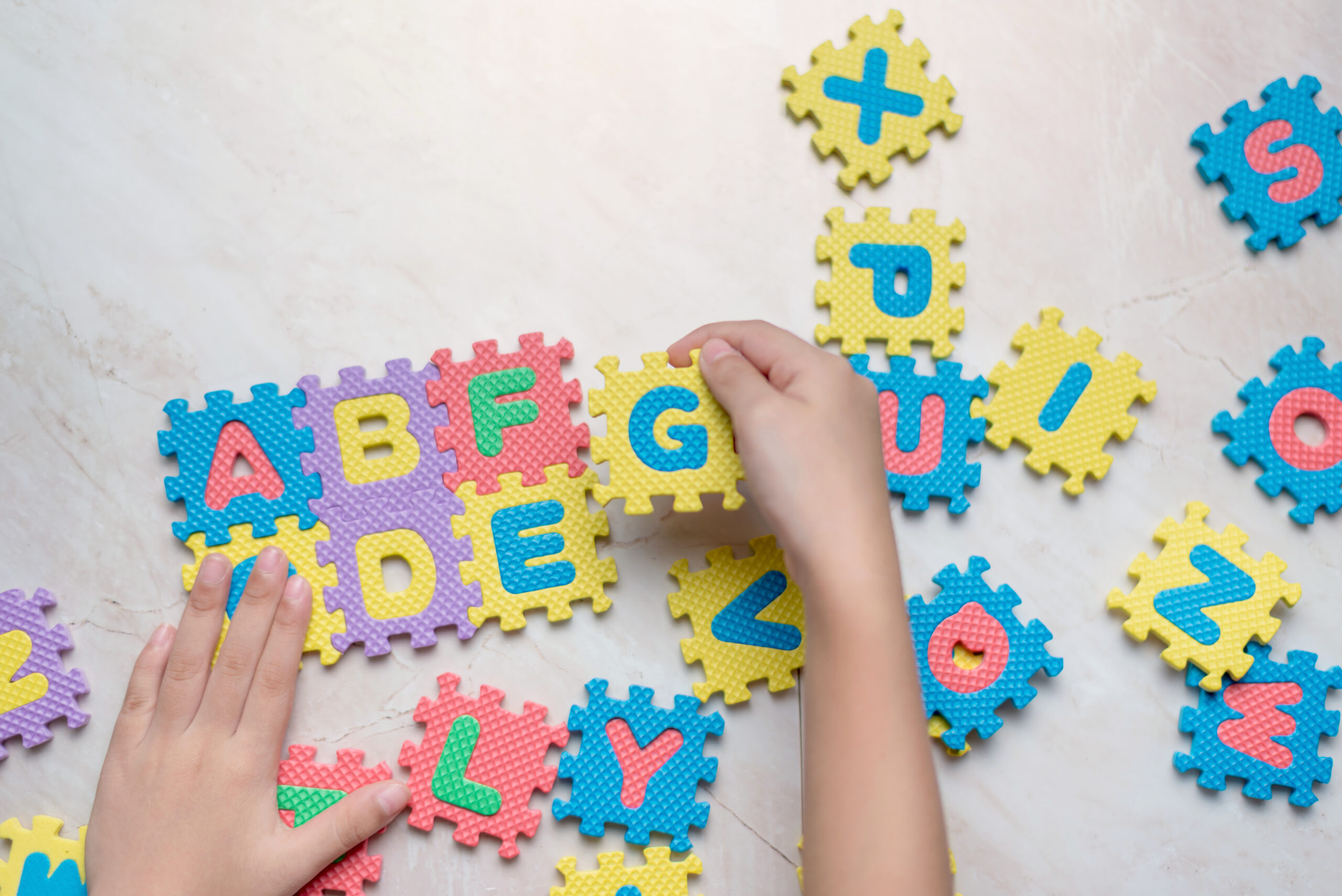
Being a parent is one of the most fulfilling jobs in the world. However, do you know how important the first years of a child’s life are for its intellectual, social, and emotional development? These first years of your child’s life matter greatly for his/her growth. Hence, it is necessary to teach some habits and skills that are useful in the future. By integrating several early education tips in your daily routine, you can ensure that you will provide your child with all needed skills that guarantee future success.
The Basics of Smart Child Growth
In order to provide an excellent foundation for your child’s education, you need to establish an affectionate and encouraging atmosphere. This way, you will manage to stimulate your child’s interest in learning, which will influence him/her positively in the future.
Establishing a Routine
Developing a daily routine is very helpful for the healthful development of your child. Having a schedule allows him/her to experience predictability and, thus, feel safe. Consequently, your child learns to take charge of his/her actions and gain independence.
For example, you may begin your child’s day with a pleasant activity, such as reading a book to him/her or singing together. Thus, you will be able to create a positive atmosphere at home, making it more comfortable to learn and study. Then, you should move to activities that involve puzzle solving or playing with playdough, allowing your child to train his/her logical thinking and fine motor skills.
Stimulating Language and Communication Skills
Developing language and communication skills plays an important role for any child’s progress. There are several activities that you can implement to promote this skill:
- Reading books with your child
- Singing rhymes and songs to teach phonological awareness
- Discussing different topics and responding to your child’s attempts to communicate
- Modeling correct communication skills
By performing all these activities, you will provide your child with necessary skills and abilities that he/she needs in order to be successful.
Promoting Independence and Self-Confidence
To help your child become an independent person, you should:
- Give him/her more freedom to make certain decisions and own them
- Provide opportunities to engage in solo activities like working with puzzles and playdough
- Praise and appreciate his/her efforts and achievements, rather than results only
- Stimulate your child to try something new and overcome fear
All these techniques will help to nurture a confident person in the future who is ready to tackle any difficulties.
Participating in Play-Based Learning
One more great way to contribute to the enhancement of your child’s cognition, social skills, and emotions is to involve him/her in play-based learning. Thus, playing with your child, you can increase his/her motivation towards learning.
To provide your child with an engaging activity, you can:
- Play pretend games with costumes and a play kitchen
- Play some game that involves problem-solving
- Introduce to him/her new concepts using common household items
- Teach him/her to explore and discover something new, such as nature or paintings
By participating in all these activities, you will give your child the opportunity to enrich his/her cognitive skills and knowledge.
Helping Your Child Develop Social and Emotional Skills
Social and emotional skills are vital for any person’s further success. Thus, in order to nurture social and emotional intelligence of your child, you should:
- Engage in some role play games, focusing on empathy and taking turns
- Discuss various stories in order to teach empathy and understanding
- Model proper social skills, such as active listening and solving conflicts
- Offer to participate in some social activities, including playdates or visits to public places
Involving your child in such activities will help to improve these vital skills.
Supporting STEM Learning
STEM stands for science, technology, engineering, and math. Teaching your child these subjects will be very helpful for him/her in the future. To facilitate STEM learning, you can do the following:
- Engage in hands-on STEM activities that allow exploring different concepts, such as construction using building blocks
- Use household materials to teach various concepts
- Ask a lot of questions to your child, motivating him/her to observe his/her surroundings
- Provide various opportunities for participation in STEM-oriented activities, such as experimenting or coding
This way, you will help your child to develop necessary knowledge.
Conclusion
Thus, in order to promote your child’s successful development, you need to integrate several simple early education tips into your daily routine. It is important to create an encouraging atmosphere for him/her and stimulate curiosity and exploratory nature. Participate in some educational activities to contribute to cognitive, social, and emotional development. With patience, consistency, and hard work, you will manage to raise an intelligent person in the future.