
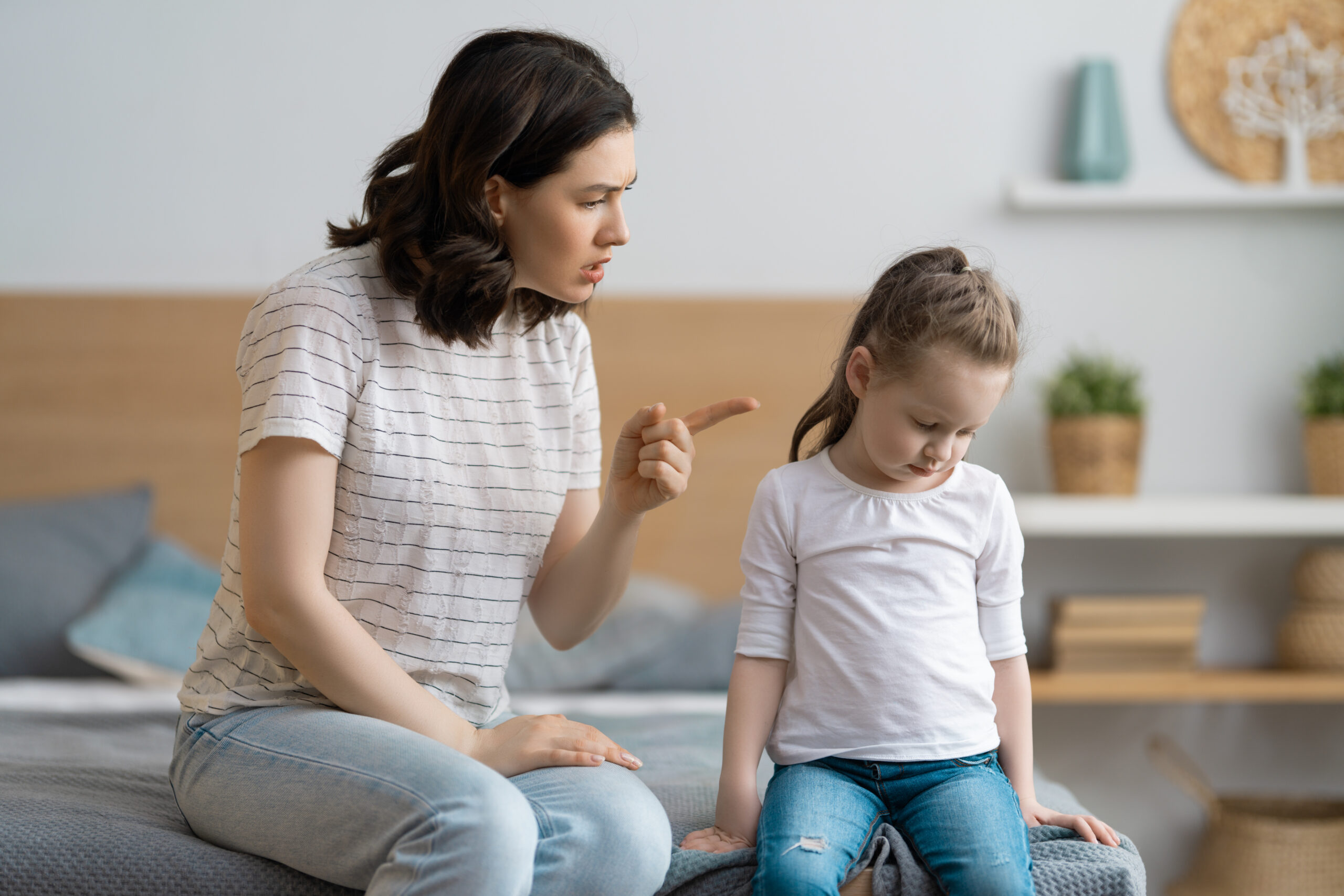
Many people would agree that disciplining their children is quite challenging, especially if they do not know how to handle such situations properly. However, with proper guidance, one may realize that this process is much easier than it seems initially. There is a way that allows parents to discipline their children without any difficulties; in other words, it is possible to develop positive behaviors by establishing natural discipline. Below there are several key points to consider while teaching a child how to behave properly.
Understanding Child Development
The first step to disciplining your child is understanding that every kid is unique and has his/her characteristics, needs, and capabilities. It means that before making certain decisions regarding your child’s discipline, you need to assess his/her capabilities, needs, and even preferences, because each individual grows differently. For example, toddlers may require special care due to their limited capabilities and understanding of the world.
Natural discipline is effective since it motivates kids to become independent individuals. By encouraging children to do everything independently, parents may provide opportunities for the children to develop a particular sense of independence. It will be easier for children to make appropriate decisions, to choose the correct way to behave and show self-discipline if they are motivated properly.
Setting Clear Boundaries and Expectations
Setting clear boundaries and expectations is also important to achieve the desired goal. Parents should always explain to their children what is expected of them so that kids could be aware of what is considered acceptable behavior. In addition, it is important to communicate with kids properly. If you speak to your child in a comprehensible manner, then he/she will be able to understand you and act appropriately.
For instance, while teaching kids to share their toys, you can say something like, “We play together and, therefore, we should always share our toys, giving everyone a chance to enjoy playing.” Such statements will help kids understand the necessity of sharing, which, in turn, will lead to better results in the future.
Encouraging Positive Behaviors Through Rewards and Praises
Rewarding children for doing something good and encouraging them is an excellent solution, especially for parents who want to use natural methods of discipline. Rewards may serve as strong motivating factors for children. They make kids more active and increase the chances that children will behave in the required manner. However, one should remember that rewards and praises cannot be used improperly.
For example, it is never recommended to punish a child with certain prohibitions. One may offer his/her child certain rewards for doing well, such as spending additional time on reading his/her favorite books. Thus, using rewards wisely, parents will be able to teach their kids appropriate behaviors and support their interests. In such a way, the child will be happy, and, therefore, will be able to do what is expected of him/her.
Using Natural Consequences to Make Children Learn Their Responsibilities
As has already been mentioned above, natural discipline can be applied successfully only in cases when parents use natural consequences for inappropriate behavior. It means that children should be allowed to see and experience the effects of their actions. If a child spills milk, one should allow him/her to clean the mess and think about possible reasons for such an accident. The main goal here is to help children understand that they are responsible for everything they do.
It should be emphasized that parents should be consistent in applying natural consequences. In case one wants his/her children to develop responsibly and independently, parents should not interfere with anything. One should not use too strict punishments and should not force children to do anything. In case the child fails to pick up toys, a parent may say, “If we leave our toys lying around, we may lose them or destroy them.”
Practicing Mindfulness and Emotional Intelligence in Your Children
While working with children, one should pay attention not only to behavior-related issues but also focus on developing such important aspects as mindfulness and emotional intelligence. The ability to regulate emotions is extremely important for growing kids because it affects many aspects of one’s life in adulthood. For instance, emotional intelligence allows people to control themselves and their emotions in various situations.
Parents should help their children become more aware and conscious and teach them how to cope with unpleasant feelings. To do so, one may use such an instrument as emotional labeling. It is a strategy that allows parents and educators to help children identify the emotions they experience and find the best ways to deal with them. Thus, a parent should encourage his/her child to express his/her thoughts, feelings, fears, etc. In response, adults can discuss these things with kids.
Creating a Supportive and Positive Environment for the Child
The final step to successful child discipline is creating a favorable environment. A child’s behavior is affected by environmental factors. It means that if one provides the child with an encouraging atmosphere, then it will be easier to achieve the desired results. It is important that the child feels safe and loved so that he/she becomes more obedient and attentive. Moreover, parents should always talk with children positively and avoid criticism or harsh remarks.
Conclusion
To conclude, one may say that the described techniques will help parents achieve success in disciplining their children naturally. These tips and strategies can be used effectively if one knows the peculiarities of child development and knows the child well. By combining all these approaches, one will definitely succeed in achieving positive results in the near future.