
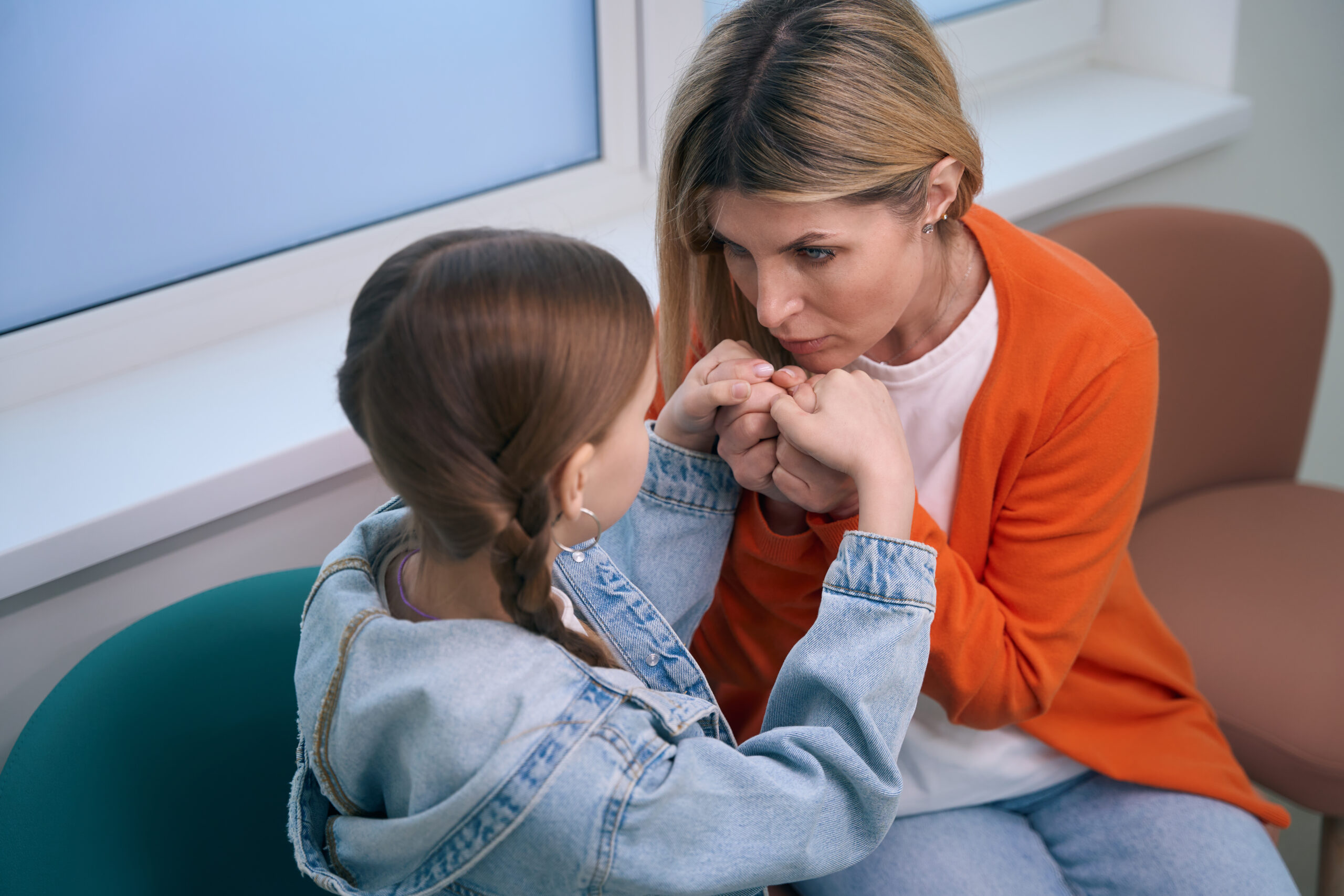
Parents need to raise their children using love and care. Parents try to provide them with a comfortable environment for their growth and learning. Raising children requires much attention and effort because it is one of the most important missions in the parents’ life. One thing that we need to pay particular attention to is teaching our kids patience. With this trait, they will be able to deal with various issues throughout their lives. By educating our kids with patience, we give them the opportunity to develop useful life skills such as self-regulation, problem-solving, and decision-making. Such a parenting style provides a solid basis for emotional and cognitive development.
The Importance of Patience in Parenting
Patience is one of those qualities that each parent needs to foster. When we are patient, we can easily cope with negative emotions and respond to the kids’ actions and needs. This gives us an opportunity to establish a safe environment for our children’s development. Our kids feel secure, loved, and respected; thus, they have no reason for being aggressive or acting out. Besides, patience allows avoiding many arguments, conflicts, and tantrums that may have an adverse impact on children’s psychological state.
In modern society, we tend to run after success and forget about important details. It is difficult to slow down but we must do it for the sake of our children. If we are patient, we have enough time to listen to kids and understand them.
Strategies for Guiding Kids with Patience
Here are several strategies that you can use when guiding kids with patience:
- Remain Calm in Case of Crisis: In case of our kids’ tantrums, it is crucial to remain calm. We should remember that they need our support and love. Remaining calm helps our kids feel safe and prevents the situation from getting out of control.
- Practice Active Listening: Whenever our child communicates with us, we need to be fully focused on them. Thus, we put aside our phone, stop watching TV, and look directly into our kids’ eyes. By carefully listening to them, we can learn much about our children’s needs.
- Use Positive Reinforcement: Positive reinforcement will encourage our kids to act in one or another way. Praising them helps kids to build a positive self-image and self-esteem.
- Provide Opportunities for Independent Actions: As children grow, we can give them various choices. This allows them to feel that they are in control, which helps them make decisions and solve problems.
- Mindfulness Practice: Mindfulness involves staying present and observing our inner experiences without being judgmental. Through regular mindfulness practice, we learn to observe our thoughts and emotions.
Modeling Patience and Self-Regulation
As a parent, we serve as the first role models for our kids. Thus, it is our duty to show patience and regulate our emotions. It shows kids that mistakes are an essential part of life and we need to live through them to find solutions.
One way to show patience to our children is modeling self-care. This means taking care of our body, mind, and soul. Self-care involves doing something that can bring us joy and relax our muscles and brain. If we are patient and calm, we are better prepared for our children’s behavior.
Helping Kids Develop Emotional Regulation Skills
Helping kids cope with emotions is a critical point in the process of developing patience. We can help them regulate emotions by:
- Labeling and Validating Kids’ Feelings: If our kids express negative emotions, we can help them calm down. For example, when they cry and get mad, we can say something like, “You’re really upset right now” or “I see that you’re angry”. This allows them to realize that they are noticed and understood.
- Teaching Various Methods to Calm Down: We can show our kids how to regulate their emotions. For instance, we can teach them to breathe and count.
- Promoting Physical Activities: Physical exercises are a perfect way to cope with negative emotions. By exercising, our kids are able to relax and get rid of anxiety and depression.
Conclusion
In conclusion, raising kids with patience requires a thorough understanding of their needs and feelings. Being patient allows creating an appropriate environment that will contribute to our children’s growth and development. Don’t forget that patience is a skill and we can learn how to practice it.