
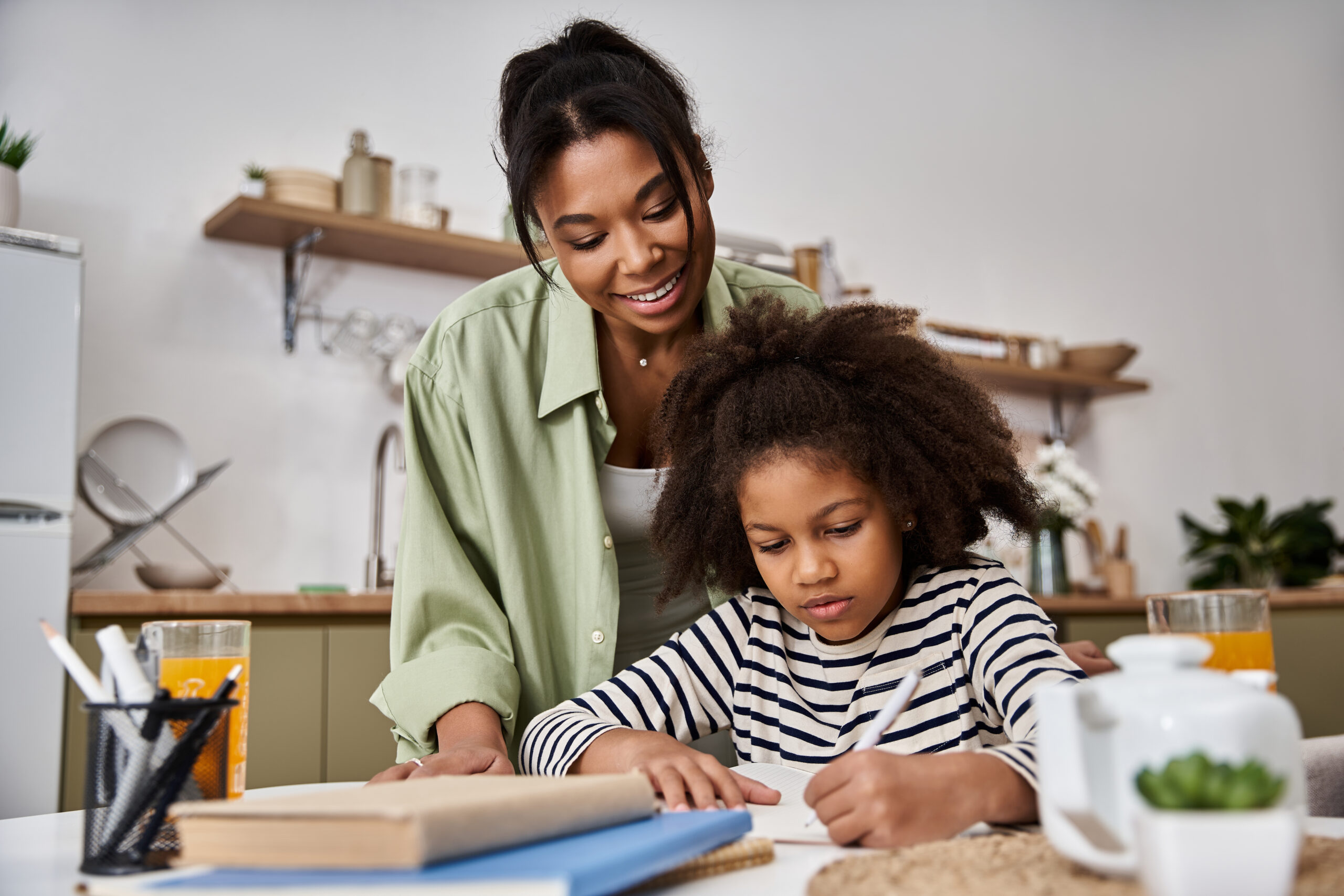
As parents, we strive to provide our children with the best possible start in life. But what does it take to raise happy, healthy, and well-adjusted kids? While there’s no one-size-fits-all approach, research suggests that certain parenting strategies can have a significant impact on a child’s growth and development. In this article, we’ll explore some of the most effective parenting strategies for better child growth, including emotional support, setting boundaries, and fostering a love for learning.
The Importance of Emotional Support
Emotional support is a crucial aspect of parenting, as it helps children develop a sense of security and self-worth. When parents provide emotional support, children feel seen, heard, and validated, which can lead to improved self-esteem, confidence, and mental health. To provide emotional support, try the following:
- Practice active listening: When your child talks to you, give them your undivided attention and engage in conversation.
- Use positive language: Speak to your child in a positive and encouraging tone, avoiding criticism or negative feedback.
- Show physical affection: Physical touch, such as hugs and cuddles, releases oxytocin, a hormone that promotes feelings of love and attachment.
- Validate their emotions: Acknowledge and validate your child’s feelings, even if you don’t agree with their perspective.
For example, when your child is upset, try saying, “I can see that you’re really upset. It sounds like you’re feeling sad and hurt.” This validating statement acknowledges their emotions and helps them feel understood.
Setting Boundaries and Establishing Routine
Setting boundaries and establishing routine are essential for creating a sense of structure and predictability in a child’s life. When children know what to expect, they feel more secure and are better equipped to handle challenges. To set boundaries and establish routine, try the following:
- Establish clear rules and expectations: Communicate your expectations clearly and consistently enforce them.
- Create a daily routine: Establish a daily schedule that includes time for activities, rest, and relaxation.
- Set limits on screen time: Excessive screen time can be detrimental to a child’s physical and mental health.
- Practice consistency: Consistency is key when it comes to setting boundaries and establishing routine.
For example, if you have a child who struggles with bedtime, establish a consistent bedtime routine that includes activities such as reading, storytelling, and relaxation. This helps signal to the child that it’s time for sleep and creates a sense of predictability.
Fostering a Love for Learning
Fostering a love for learning is essential for a child’s cognitive and academic development. When children are engaged and motivated, they’re more likely to develop a passion for learning that will serve them well throughout their lives. To foster a love for learning, try the following:
- Encourage curiosity: Encourage your child to ask questions and explore their surroundings.
- Make learning fun: Use games, puzzles, and hands-on activities to make learning enjoyable and engaging.
- Model a love for learning: Show your child that learning is a lifelong process by continuing to learn and explore yourself.
- Provide opportunities for exploration: Provide opportunities for your child to explore and learn about their interests.
For example, if your child is interested in science, take them on a nature walk and encourage them to observe and collect samples. This hands-on approach to learning can help foster a love for science and exploration.
Encouraging Independence
Encouraging independence is essential for a child’s development, as it helps them develop self-reliance, problem-solving skills, and confidence. To encourage independence, try the following:
- Gradually increase responsibility: Give your child increasingly complex tasks and responsibilities as they demonstrate their ability to handle them.
- Encourage self-care: Encourage your child to take care of their physical and emotional needs, such as brushing their teeth and dressing themselves.
- Model independence: Show your child that independence is a valued trait by modeling it yourself.
- Provide opportunities for choice: Provide your child with opportunities to make choices, such as choosing what to eat or what activity to do.
For example, if your child is old enough, give them the responsibility of planning and preparing a meal. This can help them develop important life skills, such as cooking and time management.
Building Resilience
Building resilience is essential for a child’s mental health and well-being. When children learn to cope with challenges and setbacks, they develop a sense of confidence and self-worth that can help them navigate life’s obstacles. To build resilience, try the following:
- Model coping skills: Show your child how to cope with challenges and setbacks, such as deep breathing and problem-solving.
- Encourage self-reflection: Encourage your child to reflect on their experiences and identify what they’ve learned.
- Foster a growth mindset: Encourage your child to view challenges as opportunities for growth and learning.
- Practice empathy: Practice empathy and validation when your child is struggling, and avoid criticizing or dismissing their feelings.
For example, if your child experiences a setback, such as losing a game or failing a test, encourage them to reflect on what they’ve learned and how they can improve in the future.
Providing Positive Role Models
Providing positive role models is essential for a child’s development, as it helps them develop social skills, moral values, and a sense of identity. To provide positive role models, try the following:
- Model positive behaviors: Show your child that positive behaviors, such as kindness and empathy, are valued and expected.
- Engage in activities together: Engage in activities with your child that promote socialization, such as playing games or volunteering.
- Provide opportunities for socialization: Provide opportunities for your child to interact with others, such as joining a club or attending a community event.
- Practice positive language: Speak to your child in a positive and encouraging tone, avoiding criticism or negative feedback.
For example, if your child is struggling with sharing or taking turns, model positive behaviors, such as sharing toys or taking turns playing games.
Creating a Supportive Environment
Creating a supportive environment is essential for a child’s development, as it helps them feel safe, secure, and supported. To create a supportive environment, try the following:
- Practice active listening: Give your child your undivided attention and engage in conversation.
- Use positive language: Speak to your child in a positive and encouraging tone, avoiding criticism or negative feedback.
- Provide physical affection: Physical touch, such as hugs and cuddles, releases oxytocin, a hormone that promotes feelings of love and attachment.
- Validate their emotions: Acknowledge and validate your child’s feelings, even if you don’t agree with their perspective.
For example, when your child is upset, try saying, “I can see that you’re really upset. It sounds like you’re feeling sad and hurt.” This validating statement acknowledges their emotions and helps them feel understood.
