
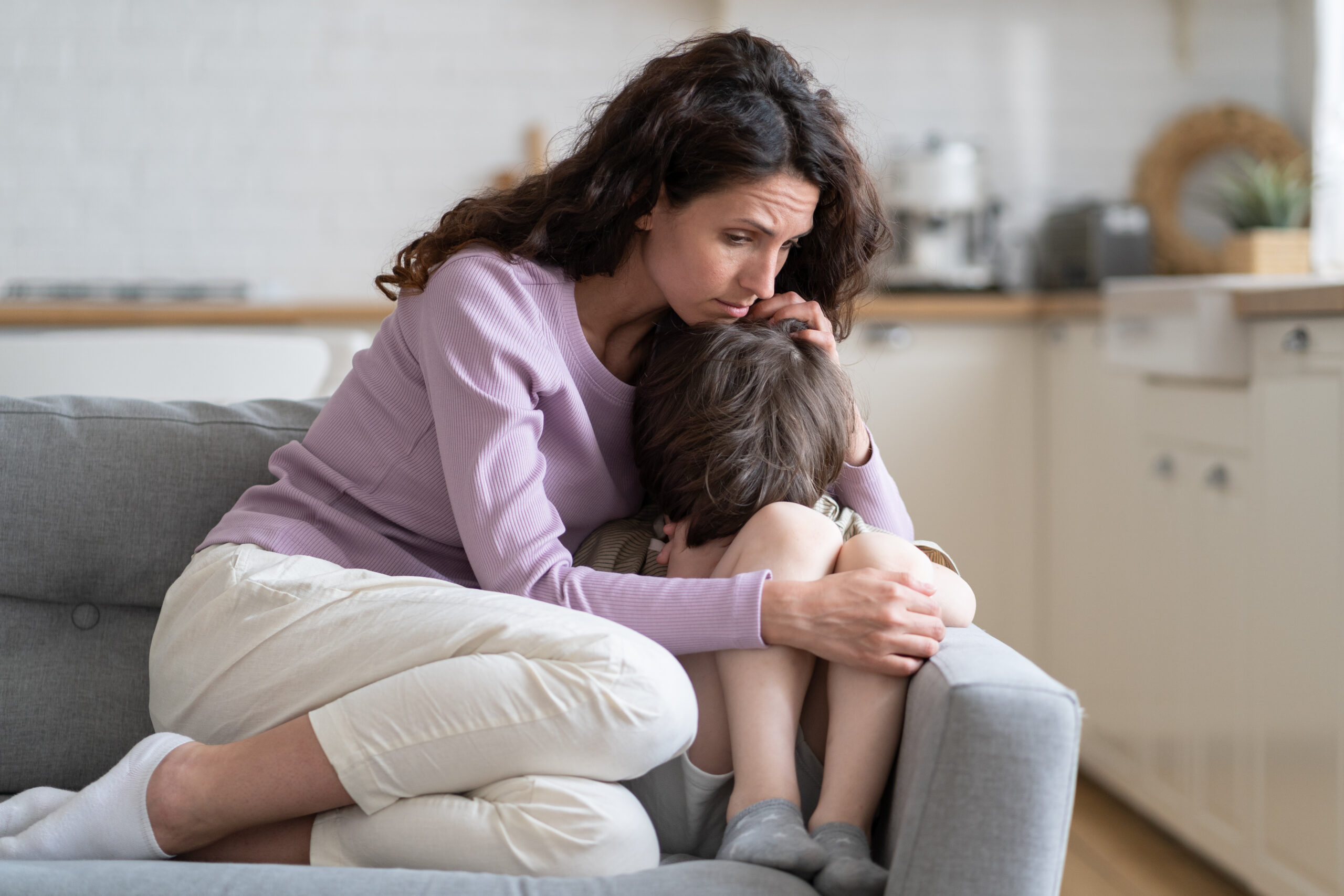
Managing the emotional behavior of children is often a challenging task. Kids often display various forms of bad behavior, from fits to temper tantrums. However, if a parent understands basic strategies and techniques for dealing with such problems, he/she will be able to manage their children effectively.
Teaching Kids Emotional Intelligence
Emotional intelligence implies recognizing, perceiving, comprehending, and regulating one’s feelings and emotions, as well as other individuals’ feelings. Since the emotional intelligence of a child is developing, parents need to instill proper emotional behavior at a young age. Through learning emotional intelligence from their parents, children will acquire valuable life lessons.
There are many benefits to helping your child learn emotional intelligence. Firstly, children gain self-awareness and self-regulation skills. Besides, learning this kind of intelligence provides children with better social skills that enable them to develop good relationships, communicate effectively, and make wise decisions.
Recognizing and Validating Feelings
Recognizing and validating children’s feelings is a key element that shows how parents should teach their children about managing their emotions. Acknowledging and validating children’s emotions and behaviors reduces the likelihood of escalation. For example, if your child starts crying after he/she got injured, you should respond with validation and empathy.
The parent may say something like, “You seem to be in pain, and it looks like you are really hurting. It’s perfectly alright to feel upset or sad when you have an injury.” Validation allows the child to perceive that his/her feelings are understood and recognized.
Labelling Emotions
Labelling is another helpful method for teaching your child to manage their emotions. Labelling is labelling children’s emotions and feelings and explaining to the child what exactly they are feeling. For example, you could label the emotion if your kid is upset and says something rude.
If your child gets angry, you could label the emotion by saying something like, “It looks like you are really angry right now.” Labelling the emotion allows the child to become aware of it.
Using Emotional Regulation Strategies
Emotional regulation strategies are useful techniques that allow individuals to control and regulate their emotions. Such strategies are very common, and they can be used both adults and children. Common emotional regulation strategies include deep breathing, counting, and physical exercise.
One of the most effective regulation strategies for children is deep breathing. Parents should teach this technique to kids since it helps to calm them down quickly. For instance, if your child becomes nervous and agitated, you could offer him/her to take a deep breath together.
To show the technique, you could explain it as follows, “Take a slow deep breath through your nose, keep it for a couple of seconds, and breathe out through your mouth.”
Fostering Emotional Expression
Fostering children’s emotional expression is important if parents want their kids to learn to manage their emotions effectively. When your child is upset, you should motivate him/her to express his/her emotions in a healthy way. For instance, you could say something like, “It is okay to express your emotions. How do you feel right now?”
Fostering kids’ emotional expression helps to develop children’s emotional intelligence and regulates children’s behavior. If children express their feelings healthily, they will learn to handle their emotions wisely.
Setting Limits and Expectations
Setting limits and expectations plays a critical role in teaching your child to manage emotions. When children start displaying aggressive and impulsive behavior, parents need to set clear limits to show them that such behavior isn’t acceptable. For example, you could limit your child’s aggressive behavior and say, “It is alright that you are feeling angry, but throwing toys isn’t allowed.”
Setting boundaries helps children understand what is expected of them. Besides, when kids know certain limits, they feel safe and secure, which reduces the possibility of further escalation.
Offering Positive Reinforcement
Using positive reinforcement techniques is helpful if you wish to teach children healthy regulation strategies. When your child becomes upset, you could reward and praise them for behaving correctly. For example, you could say, “It is great that you decided to use deep breathing to calm down.”
Positive reinforcement allows children to develop positive associations with proper regulation techniques.
Fostering a Peaceful Atmosphere
Creating a peaceful atmosphere helps you to calm your child and promote healthy behavior. For instance, if your child becomes upset, you could move to another quiet room where you can soothe your child. You could say something like, “Come on, let us go somewhere quieter and I will comfort you.”
Creating a soothing and calm environment helps kids stay calm and relaxed. As a result, it prevents escalation.
Conclusion
To conclude, there are many helpful strategies for handling kids’ emotions. By teaching your child emotional intelligence, recognizing and validating emotions, using regulation techniques, fostering emotional expression, setting limits and boundaries, providing positive reinforcement, and fostering a peaceful atmosphere, you will be able to teach your children proper emotional management techniques.