
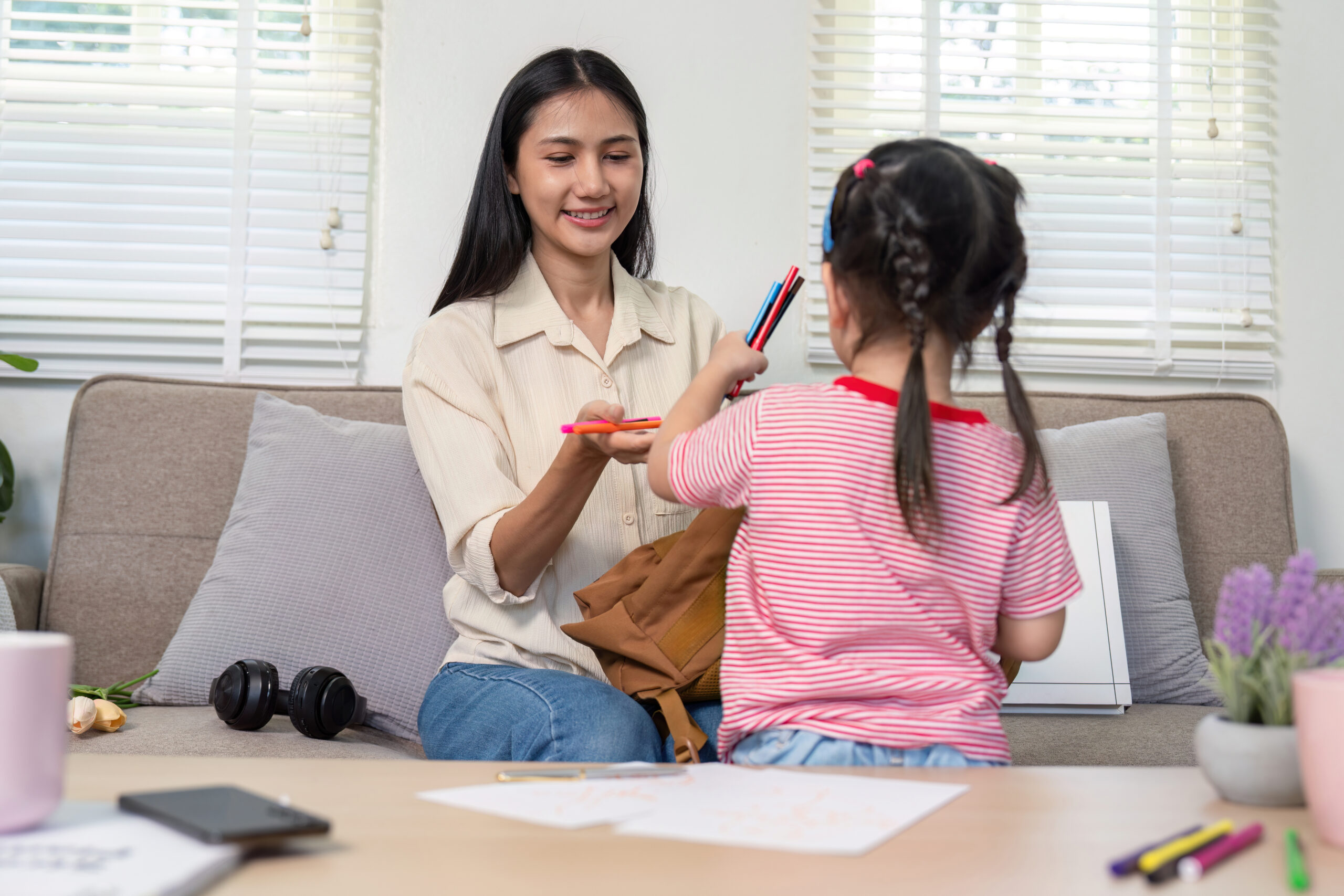
Raising a responsible and well-mannered individual requires the proper cultivation of good habits in a child. The foundation built throughout early childhood and teenage years shapes their life and future success in any aspect. To raise a well-rounded person who knows how to cope with everyday obstacles independently, it is important to provide them with a positive environment and teach some essential life lessons and skills.
Establishing Routine and Structure
The creation of a daily routine is crucial to building good habits in children. The existence of such an order makes it easier for them to understand their goals and plan their day accordingly. It ensures stability and safety, which is particularly important at this age since young people need to feel protected. By having a routine, you can guarantee the completion of daily tasks, such as doing homework or personal hygiene.
It is important to pay attention to consistency since it ensures that your children will get used to the same order and behave appropriately all the time. When creating a schedule, make sure that you work around everyone’s needs and preferences. In other words, establish certain hours for meals, homework, and sleeping as well as dedicate some time to relaxing.
It is important to note that when building a routine, it is crucial to take your kid’s characteristics into account. They should fit their needs, so don’t be too rigid. For example, a routine can differ depending on whether your kid gets up early or late. Thus, it is important to find ways to make it suitable for your children instead of making them adapt to the pre-existing schedule.
Encouraging Positive Behaviors
Positive reinforcement is the key to good habits in your children. By showing appreciation and encouragement, you’ll motivate your kids to continue behaving positively in the future. To do this, you can use several strategies:
- Positive Reinforcement: By rewarding their good deeds, you motivate kids to continue doing what you encourage them to. You can use different types of reinforcement – verbal, tangible (awards), etc.
- Natural Consequences: If children experience natural consequences because of their bad behavior, they will start learning important lessons.
- Modeling Behavior: Kids learn a lot from adults. By showing kindness, empathy, and other traits of good character, you can encourage your kid to behave likewise.
Teaching Life Skills
In addition to cultivating good habits, parents should teach their kids to cope with life situations by themselves. This includes such skills as cooking, cleaning, and even problem-solving. Below is a list of skills that you can teach your children:
- Cooking and Meal Preparation: This teaches children to do something independently and encourages healthy eating.
- Cleaning and Arranging Things: It allows children to care about their belongings.
- Thinking Critically and Problem: Solving. This skill makes your kids able to think carefully about things and make responsible decisions.
Challenging Behaviors and How to Manage Them
While building good habits in kids, it is important to address and deal with challenging behaviors as well. The analysis of their roots, as well as implementation of relevant strategies, will help in this situation.
Here are some of the common problems:
- Meltdowns and Tantrums: Often caused by frustrations or overworking, these episodes show that children can’t cope with stress. It is recommended to teach them strategies like counting or breathing to control their emotions.
- Refusal to Follow the Rules: This can mean either the lack of understanding of certain things or rebellion. In the former case, you can explain to your kids what they should do. Otherwise, you should focus on encouraging responsibility.
- Aggression and Violence: Such behaviors can occur when a person becomes frustrated or tries to gain control over another one. Teach your kid how to cope with such situations calmly.
Building Resilience and Adaptability
It is particularly important to teach your kids how to adapt to changes and cope with stress and hardships. In this way, you will raise an open-minded and independent person capable of finding solutions. Here are some of the strategies for building adaptability and resilience in children:
- Risky Actions: It is good to push your kids to take calculated risks and try new things. Thus, they will learn to overcome fears and doubts.
- Mindfulness and Self-Care: It is useful to teach your children how to relax and take care of themselves. Some of the practices include deep breathing and meditation.
- Growth Mindset: Show them how to look at challenges from a different perspective, thus motivating them to change for better.
Conclusion
Building good habits is a necessary process when it comes to raising a successful individual. By doing this, parents teach their children how to be disciplined and responsible and equip them with important skills.