
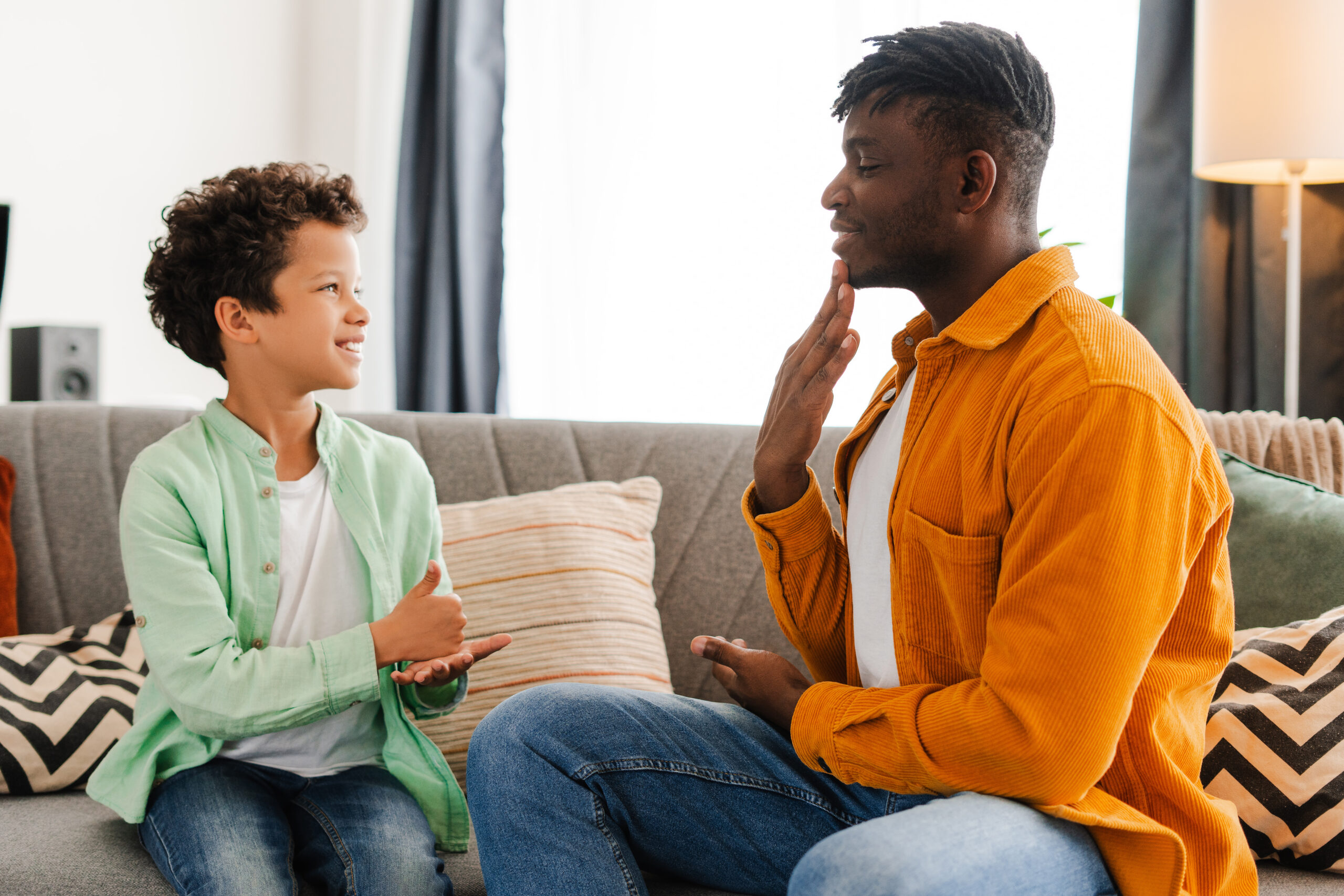
Good behavior is something essential for the successful socialization and development of any individual. Raising kids with excellent behavioral traits requires lots of work, time, and proper strategies. However, by applying appropriate approaches, it is possible to bring up children with great manners. It should be mentioned that well-behaved children usually do well academically and have excellent social skills. In addition, these kids become great community members due to their social skills, politeness, empathy, and other traits.
Setting a Good Example: The Importance of Adult Role Modeling
A parent is a person that serves as the main role model for a kid. Kids emulate the behavior and manners of adults, especially of their parents. Hence, it is necessary to demonstrate kids exemplary behavior so that they would adopt it. Thus, always remember that children follow an adult’s lead. Consequently, when you display bad behavior yourself, a child is likely to imitate you.
To raise well-behaved children, it is important to practice what you preach. As a rule, kids easily copy everything you do. Hence, it would be helpful to be a good role model for your child. Try to demonstrate respect, kindness, honesty, etc., in every situation and under any circumstances. For example, if you have made a mistake, you should admit it and apologize.
Encouraging Positive Behavior: Praise and Rewards
One of the best techniques used in order to encourage positive behavior in kids is praise and reward. When kids show exemplary behavior, reward them or praise their actions. For instance, after seeing a child helping an elderly woman with her groceries, it would be reasonable to thank a kid for being polite and generous. You may also reward a kid by giving stickers or candies to encourage him or her to continue demonstrating good behavior.
Besides praises and rewards, it would be helpful to focus on the behavior rather than the person because it makes kids more interested in doing something good. Do not say that a child is perfect and amazing. Instead, emphasize their positive behavior and thank them for doing something nice. By doing so, you show kids that good behavior is highly appreciated.
Teaching Social Skills: Role-Playing and Practice Exercises
Social skills are crucial for raising children with great behavioral traits. The most effective way to develop social skills in your children is role-playing and various practice exercises. For example, one of the games that could be played during the process of education is the one that requires sharing. Let your child share toys with other kids in order to show that he or she can share something.
Role-playing is not the only activity that may help children improve their social skills. One can play different games aimed at improving the ability to wait for their turn. Such activities will definitely help a child to be less impulsive.
Encouraging Self-Control: Setting Boundaries and Consequences
It should be stated that self-control is an essential feature of good behavior that is worth developing in children. Self-control implies being able to control your emotions, actions, and make appropriate decisions when dealing with various challenges. Hence, to cultivate self-control in your child, it is reasonable to set clear boundaries and consequences.
For instance, if a child has lost his or her temper in the supermarket, one should immediately leave the place as a sign of disapproval. It would mean that throwing tantrums is an inappropriate action and it will result in serious consequences.
Creating a Positive Atmosphere: Minimizing Stress and Making Your Environment Fun
The atmosphere plays a decisive role in developing kids’ positive behaviors. When a child is stressed, chances are high that he or she will not demonstrate good manners. That is why you should create an atmosphere that would make kids feel happy. To create the right mood, it is important to reduce stress and increase fun.
First of all, you may play relaxing songs or perform some exercises together. Besides, fun activities can help you relax and be happy. Play different games, take walks, read fairy tales, etc. By engaging in interesting activities, you create a positive atmosphere that will definitely encourage kids to demonstrate exemplary behavior.
Encouraging Empathy and Kindness: Teaching Your Child to Care for Others
Kindness and empathy are also important features that will certainly contribute to your child’s good behavior. To cultivate these traits in a child, it would be helpful to teach him or her to be kind and empathic. One can participate in community work or volunteer at the animal sanctuary.
Engagement in various activities and discussion of the topic related to kindness will be helpful in terms of cultivating kindness in children.
Conclusion
To sum up, it should be noted that teaching kids good behavior is quite challenging. However, with the application of certain techniques, it is possible to achieve this goal successfully. Such things as setting a good example, encouraging positive behaviors, teaching social skills, encouraging self-control, creating a positive atmosphere, and fostering empathy and kindness will definitely be helpful.