
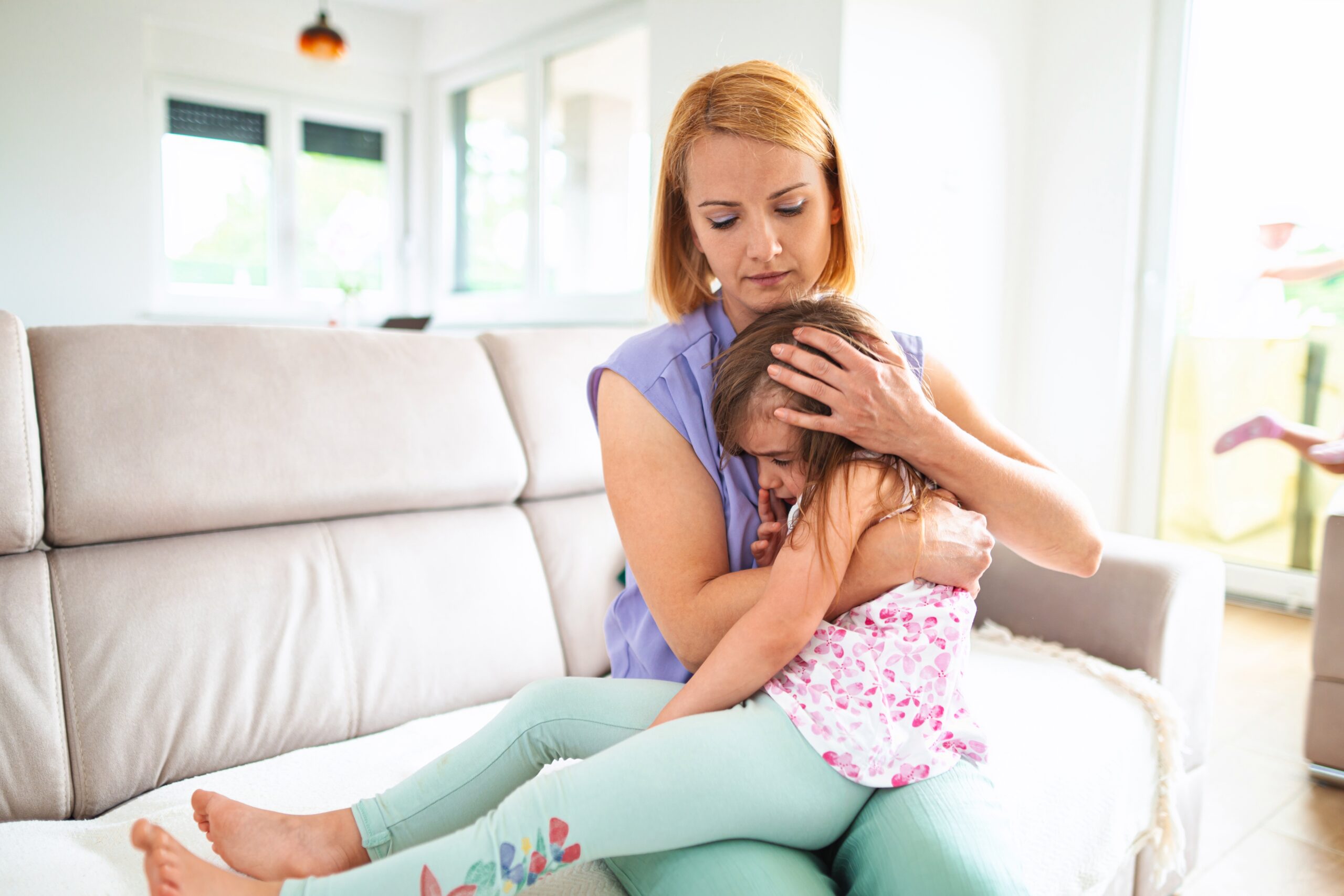
Managing a kid who constantly acts in an inappropriate manner or who struggles to regulate his/her emotions could be a real challenge. Teaching the art of managing a child’s behavior is a key parental skill, which is critical to maintaining harmony at home and ensuring that your kid enjoys life to the fullest. There are various techniques and approaches that can be used to encourage your little one to behave calmly.
Promoting Self-Regulation Skills in Kids
Self-regulation skills help kids manage their emotions and impulses. They are essential to making healthy decisions and maintaining a positive attitude towards oneself and others. Such skills are helpful to children not only in their personal life but also while studying and interacting with peers. By developing them, you can reduce problems with aggression and anxiety.
Understanding the Features of Calm Child Behavior
A calm child’s behavior has nothing in common with throwing tantrums and acting aggressively. It involves a child’s ability to regulate his/her emotions. With such skills, a kid will be able to react appropriately to any situation he/she encounters, build positive relationships with others, and cope with challenges successfully. Note that no one is born with these abilities. They should be encouraged and developed with time.
Parental Influence on Calm Child Behavior
Parents play a vital role in the development of a child’s emotional state. Creating a supportive and caring environment allows parents to help children develop positive emotions. For example, children can learn to resolve their disputes in a peaceful way, talk freely about their needs and concerns, and cope with anxiety and stress. To succeed, parents should identify the needs of their kids and help them manage their emotions.
Triggers for Unruly Child Behavior
Every kid is unique and different in his/her reactions. However, there are certain factors, which usually cause misbehavior in kids. The two most common reasons for throwing tantrums among children include being tired and hungry. A lack of sufficient sleep and food is a reason for kids to feel frustrated, which might result in undesirable behavior.
Another factor, which triggers misbehavior among children, is experiencing a high level of stress and anxiety. These conditions might occur because of changes in routines, moving to another town, or facing bullying in kindergarten or at school. By knowing what triggers a child’s behavior, parents can develop effective strategies that will work.
Techniques to Manage Calm Child Behavior
There are multiple strategies that can help parents influence child behavior positively. Setting clear boundaries and routines helps to provide children with necessary guidance in controlling their behavior. Creating a stable environment by defining certain requirements and giving consequences helps to develop self-regulation skills in children.
Parents should also use positive reinforcement to encourage children to behave nicely and politely. Praise kids each time they use polite words, share toys with their classmates or show care towards others.
Encouraging Healthy Expression of Emotions
It is essential to encourage your little one to manage emotions. Providing a kid with a safe environment for talking about anything he/she wants, parents can ensure that a child will always express his/her emotions without fear. Moreover, by listening carefully and empathically reacting to what kids tell parents, they can teach their offspring how to develop emotional intelligence.
Kids, who are taught to manage their emotions properly, are more likely to maintain positive relationships with both family members and people from outside. They will learn how to communicate their feelings easily.
Teaching Kids Coping Skills
By teaching coping skills, parents can promote calm child behavior. Introducing relaxation techniques and explaining the methods to deal with anxiety and stress successfully is extremely beneficial to kids. Various activities such as meditation, physical exercises, and visualization might help children to learn how to control their emotions.
With coping skills developed, a child will be able to manage feelings properly and cope with challenges. Moreover, kids will know how to develop skills, which help to manage emotions and keep a positive attitude.
Establishing a Supportive Community
Creating a supportive community around yourself can help you succeed in raising a child who knows how to regulate his/her emotions. You can join different parenting groups or collaborate with professionals that have the same aims as you do. Sharing experiences, you can find additional sources of inspiration and useful advice.
Conclusion
Managing the behavior of your little one can be a challenging task. Nevertheless, using various techniques will help you influence his/her behavior successfully. Understanding the factors that cause it, establishing boundaries and using positive reinforcement, encouraging kids to develop emotions, and building a supportive community are all great ways to create a favorable atmosphere.
If you experience difficulties managing the behavior of your child, do not hesitate to ask for help. You can contact other parents, professionals, attend workshops, etc.